
Key Safety Takeaways
- Prioritize second-generation antihistamines (like cetirizine or loratadine) for daily use to avoid heavy sedation.
- Never use kitchen spoons for liquid medicine; always use the device that comes in the box.
- Avoid first-generation drugs (like diphenhydramine) for children under 2 unless a doctor specifically tells you to.
- Check the mg per tablet for chewables, as some are 5 mg and others are 10 mg.
- Never use these medications as sleep aids, as this significantly increases the risk of overdose.
Understanding the Two Generations of Antihistamines
Not all allergy meds are created equal. To choose the right one, you need to know the difference between first-generation and second-generation drugs. Antihistamines is a class of medications that block histamine receptors to reduce allergic symptoms like itching, sneezing, and hives. First-generation options, such as Diphenhydramine (commonly known as Benadryl), cross the blood-brain barrier easily. This means they hit the brain hard, causing drowsiness in up to 60% of kids. While they work fast-usually within 15 to 30 minutes-they wear off quickly and can leave a child feeling foggy or agitated. Second-generation drugs, like Cetirizine (Zyrtec) and Loratadine (Claritin), are designed to stay out of the brain. They are much safer for routine use because they don't cause nearly as much sedation. For instance, only about 10-15% of children feel drowsy with cetirizine. The trade-off is that they take longer to kick in-usually 1 to 2 hours-but they last much longer, often providing 24 hours of relief.Age-Specific Dosing Guidelines
Getting the dose right is all about age and weight. Using an adult dose for a child is a dangerous mistake, and even "children's" versions have different strengths based on the age group.| Medication | Age Group | Standard Dose / Frequency | Primary Use |
|---|---|---|---|
| Cetirizine | 6-11 Months | 0.25 mg/kg daily | Hives / Chronic Allergies |
| Cetirizine | 2-5 Years | 5 mg once daily | General Allergy Relief |
| Cetirizine | 6-11 Years | 5-10 mg once daily | General Allergy Relief |
| Loratadine | 2-5 Years | 2.5 mL (5 mg/5mL) daily | Seasonal Allergies |
| Loratadine | 6-11 Years | 5 mL (5 mg/5mL) daily | Seasonal Allergies |
| Diphenhydramine | 38-49 lbs | 7.5 mL every 6 hours (max 6 doses/24h) | Acute Reactions |
The Danger of "Kitchen Science" and Dosing Errors
One of the biggest risks in pediatric care is the tool used to measure liquid medicine. Many parents reach for a standard kitchen teaspoon, but those aren't precise. Kitchen spoons can vary by 20% to 50% in volume, which means you could accidentally give your child far too much or too little medication.Pro Tip: Only use the oral syringe or dosing cup that comes inside the medication packaging. If you lose it, ask your pharmacist for a replacement rather than guessing with a household spoon.
Another common pitfall happens when switching from liquids to chewables. You might assume every chewable tablet is the same strength, but they often come in both 5 mg and 10 mg versions. A child who needs 5 mg of loratadine could easily double their dose if the parent doesn't read the back of the box. Furthermore, be wary of "plus decongestant" formulas. These contain additional active ingredients that are generally not recommended for children under 6 years old because they can increase heart rate or cause other adverse reactions.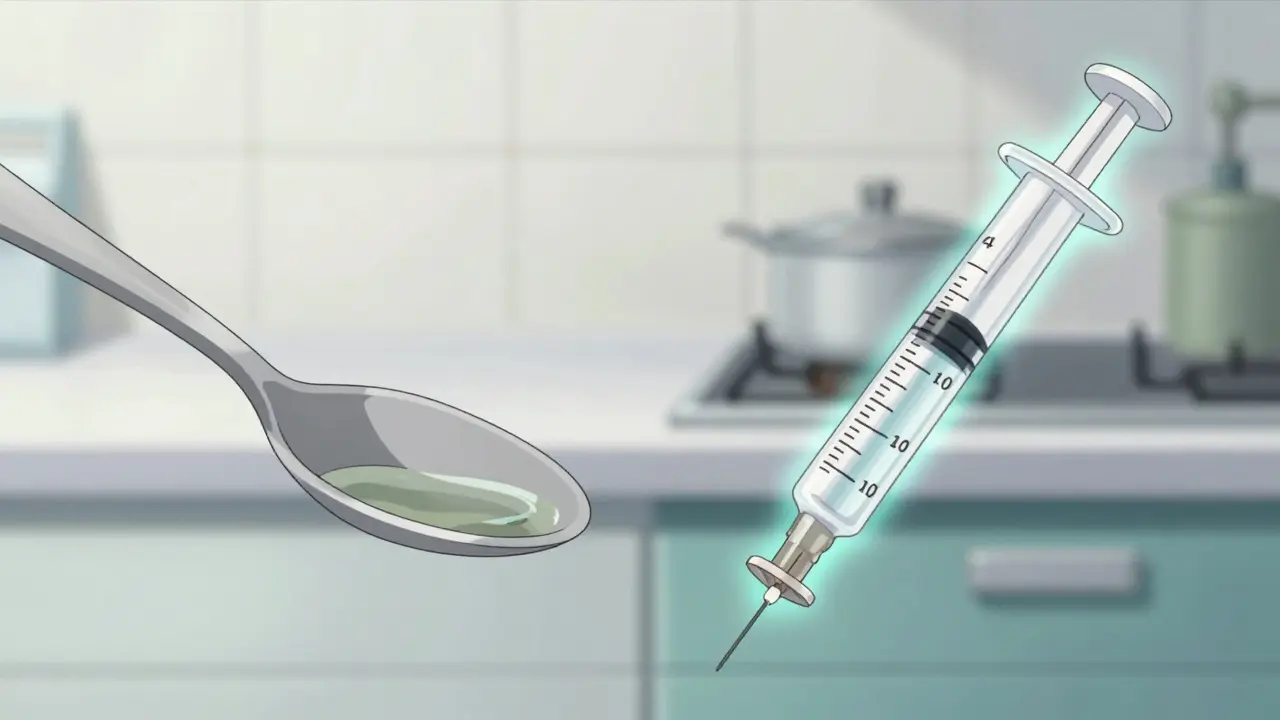
When to Choose First-Gen vs. Second-Gen
While second-generation drugs are the gold standard for daily management, there is still a place for first-generation drugs like diphenhydramine. The key is timing. If your child is having an acute, fast-moving allergic reaction (like a sudden breakout of hives), the speed of diphenhydramine is an advantage. It works in minutes. However, because it lasts only 4 to 6 hours, you have to dose it frequently. This increased frequency is actually where many dosing errors happen. For chronic issues-like daily pollen allergies or a long-term skin condition-second-generation meds are vastly superior. They offer a "one and done" daily dose, which is easier for the parent and safer for the child's cognitive function. Research has shown that the sedative effects of first-generation drugs can lead to cognitive impairment in young children, which is why they are no longer recommended for long-term use.Red Flags: Recognizing Overdose and Side Effects
Knowing the difference between a "sleepy" child and an "overdosed" child is critical. While some drowsiness is normal with cetirizine, severe reactions are not. If you suspect a child has taken too much diphenhydramine (Benadryl), look for these warning signs:- Extreme, unnatural drowsiness or inability to wake up.
- Dilated pupils and blurry vision.
- A racing heart (tachycardia).
- Confusion, agitation, or hallucinations.
- Dry mouth and difficulty urinating.

Practical Checklist for Parents
Before you administer the next dose, run through this quick safety check:- Check the Label: Is this a "plus" formula with decongestants? If the child is under 6, put it back.
- Verify the MG: If using chewables, does the tablet contain 5 mg or 10 mg? Does that match the prescribed dose?
- Measure Precisely: Am I using the pharmacy-provided syringe or a kitchen spoon?
- Confirm the Generation: Am I using this for a long-term allergy (Second-Gen) or a sudden reaction (First-Gen)?
- Weight Check: Is the dose based on the child's current weight or just a generic age bracket?
Can I give antihistamines to a baby under 6 months?
Generally, no. These medications are not FDA-approved for infants under 6 months. However, in some cases of severe hives, doctors may prescribe cetirizine off-label at a very low dose (around 0.125 mg/kg/day). This should only be done under strict medical supervision.
Why can't I use Benadryl to help my child sleep?
Using antihistamines as sleep aids is dangerous. It significantly increases the risk of overdose, especially in children under 2. Additionally, it can cause "paradoxical excitation," where the child becomes hyperactive and agitated instead of sleepy.
Is Zyrtec safer than Claritin?
Both are safe second-generation antihistamines. Cetirizine (Zyrtec) is often more effective for hives and itching, but it has a slightly higher chance of causing mild drowsiness compared to Loratadine (Claritin). Your choice usually depends on the specific symptoms and how the child reacts to each.
What is the best way to administer liquid medicine to a toddler?
Use the oral syringe provided with the medication. Aim the syringe toward the inside of the cheek, not the back of the throat, to prevent choking and reduce the likelihood of the child spitting it out. Always ensure the child is sitting upright.
How quickly do second-generation antihistamines work?
They are slower than first-generation drugs. While Benadryl works in 15-30 minutes, cetirizine and loratadine typically take 1 to 2 hours to reach full effect. This is why they are better for prevention and chronic management rather than acute emergencies.
Next Steps and Troubleshooting
If you've tried an over-the-counter antihistamine and your child is still struggling, it might be time to see a pediatric allergist. Sometimes, a simple antihistamine isn't enough, and they may need a nasal steroid or a different combination of treatments. If you are transitioning your child from a liquid to a chewable tablet, do a "test dose" with the child awake and alert to ensure they can swallow the tablet safely and aren't having an adverse reaction to the fillers in the chewable version. If you ever find that your child is becoming increasingly irritable or "wired" after a dose of a sedative antihistamine, stop the medication and call your doctor-this is a common paradoxical reaction in some children.
10 Comments
obvious stuff ppl. just read the box for once lol. us meds r the best anyway stop overthinkin it
Oh, truly groundbreaking stuff here. Imagine the sheer existential dread of a parent realizing their kitchen spoon isn't a medical instrument. Truly a tragedy for the ages.
honestly just use the syringe and stop stressing out guys its not that deep lol but seriously check those mg numbers bc some brands are just trash
The duality of the blood-brain barrier is basically a metaphor for the human condition 🌀 we seek relief but fear the sedation of the spirit. Such a basic pharmacological dichotomy 💊
Imagine thinking this level of basic biological data is actually helpful. Utterly pedestrian.
I must insist that you provide the specific brand names you are using, as it is highly irresponsible to administer medication without a complete audit of the chemical additives present in the syrup.
This just reminds me of the time my kid had a reaction and I felt so alone in the ER. It's a nightmare. Just a total void of hope. I can't even think about it without shaking. My heart just sinks every time I see a bottle of Benadryl now because of the trauma we went through. It's just so heavy.
USA made meds are the gold standard baby!!! i dont care what anyone says we got the best labs in the world and if u cant read a simple label then thats on u not the drug company lol just get the stuff and stop whining about it!!!
The truth is that we must trust the wisdom of the home and the nation over these simple lists. Simple things are always better.
Glad the info on the different generations is clear here.
Write a comment