Why Your Eyes Need Protection More Than You Think
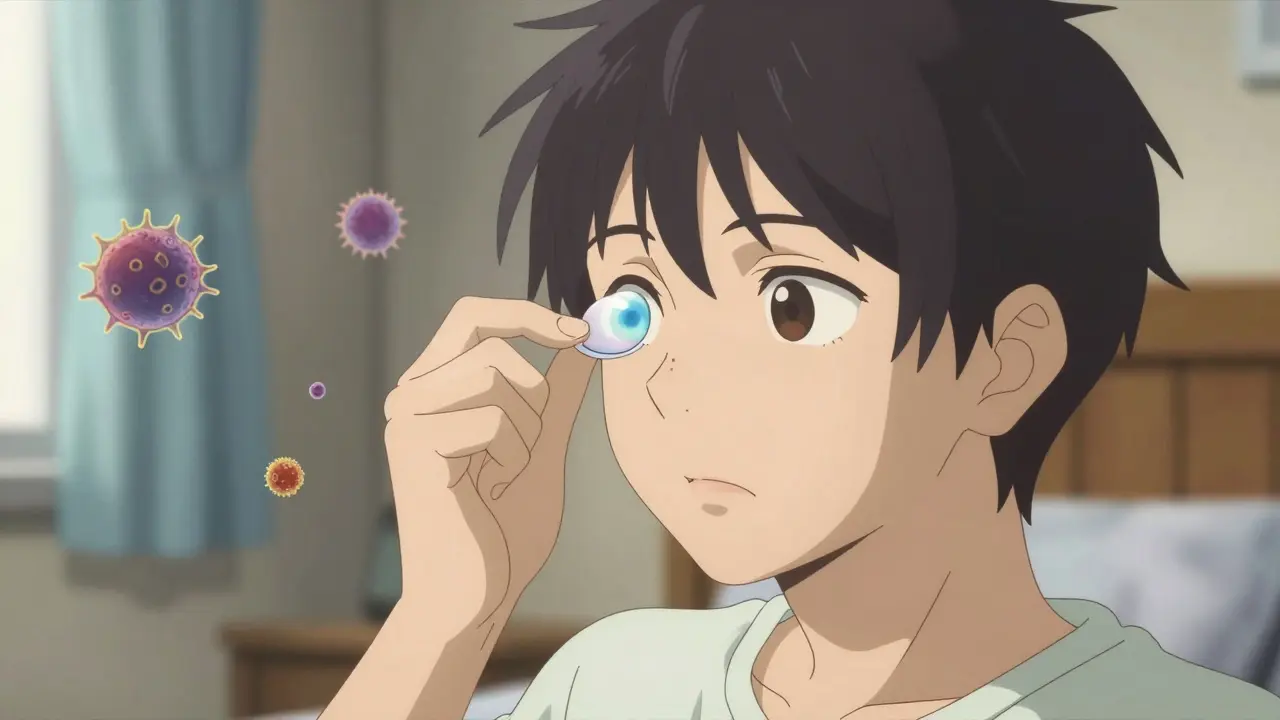
You put your contacts in every morning without a second thought. For most of us, they are a normal part of daily life. But sometimes, something goes wrong in ways that can change your vision forever. A Corneal Ulcer is an open sore on the cornea caused by infection or injury. Also known as ulcerative keratitis, this condition creates actual tissue loss rather than just a surface scratch. It sounds serious, and it is. While many people confuse eye pain with simple irritation, ignoring the signs of an ulcer can lead to permanent scarring or even blindness.
Think of your cornea as the camera lens of your eye. It's the clear dome right at the front. If that gets damaged, your ability to focus light is compromised. The scary part isn't just the possibility; it's how quickly things can spiral out of control. With over 85 million contact lens users worldwide, this isn't a rare problem-it's a common risk we all face when we aren't careful.
The Difference Between a Scratch and an Ulcer
Many people wake up with a gritty feeling in their eye and assume it's just dryness or a tiny scratch. There is a big difference between a Corneal Abrasiona superficial scratch that usually heals on its own within 24 to 72 hours and a true ulcer. An abrasion is like scratching the paint off a wall; the surface is rough, but the structure underneath remains intact. An ulcer, however, is like chipping away the actual concrete.
This distinction matters because ulcers involve tissue loss driven by infection. Often, this starts as Keratitis is inflammation of the cornea that frequently precedes ulcer development. It acts as the warning sign before damage becomes deep enough to leave a scar. If you treat an ulcer like a minor irritation and go back to work or school without help, bacteria can eat deeper into the cornea while you sit there waiting for it to "go away."
How Much Does Wearing Contacts Actually Increase the Risk?
It is easy to assume that if you clean your lenses properly, you have nothing to worry about. Statistics tell a different story. A contact lens wearer is about 10 times more likely to get a corneal ulcer compared to someone who doesn't wear lenses. That number climbs dramatically based on habits.
If you sleep in your contacts, the risk jumps roughly 100 times higher. Why? Because your eyelid blocks oxygen when closed, and that oxygen blockage creates a perfect breeding ground for bacteria trapped under the lens. Even modern silicone hydrogel lenses, which allow more oxygen, cannot negate this risk entirely. A study update from November 2024 emphasized that despite better materials, improper usage remains the primary driver of infection.
| Habit | Risk Level | Primary Cause |
|---|---|---|
| Daily Soft Lenses | Baseline (High) | Bacteria transfer from hands or solution |
| Sleeping in Lenses | Extremely High (100x) | Oxygen deprivation + bacterial buildup |
| Swimming with Lenses | Very High | Acanthamoeba parasite exposure |
| Overwearing Expired Lenses | High | Lens material degradation traps pathogens |
Specifically, the FDA warns that some extended-wear soft contacts carry serious hazards beyond standard bacteria. You might hear about Acanthamoeba Keratitis is a severe parasitic infection often linked to water exposure while wearing lenses. This is particularly difficult to treat and can cause extreme pain. Swimming in pools or showering with contacts increases your odds of encountering this parasite significantly.
Spotting the Warning Signs Before Vision Loss Occurs
Pain is your body's alarm system. However, not all eye pain feels the same. A corneal ulcer has a very specific set of symptoms that differentiate it from allergies or seasonal conjunctivitis. You need to recognize these signs immediately.
- Severe Eye Pain: Not just discomfort, but a persistent ache or sharp stinging sensation.
- Redness: The white part of the eye looks bloodshot and angry.
- White Patch: Looking in the mirror, you see a cloudy white spot on the dark or brown part of your eye.
- Sensitivity to Light: Bright lights hurt intensely (photophobia).
- Discharge: Thick mucus or pus forming, especially after sleep.
- Blurry Vision: Seeing through a foggy window instead of high definition.
If you notice a white patch on the cornea, do not wait until morning. That spot represents active tissue destruction. Dr. Audrey Tai of Athena Eye Care has noted that using diagnostic technology to evaluate photos of ulcers allows earlier diagnosis, but for you, the patient, visual confirmation of a patch is a code red situation.
The Medical Procedure: What Happens When You Get Help
When you rush to an Ophthalmologist is a medical doctor specializing in the diagnosis and surgical treatment of eye conditions. They use specialized equipment like a slit-lamp to examine the eye structure in detail. time is critical. The goal is to kill the infection before it penetrates deep enough to scar permanently.
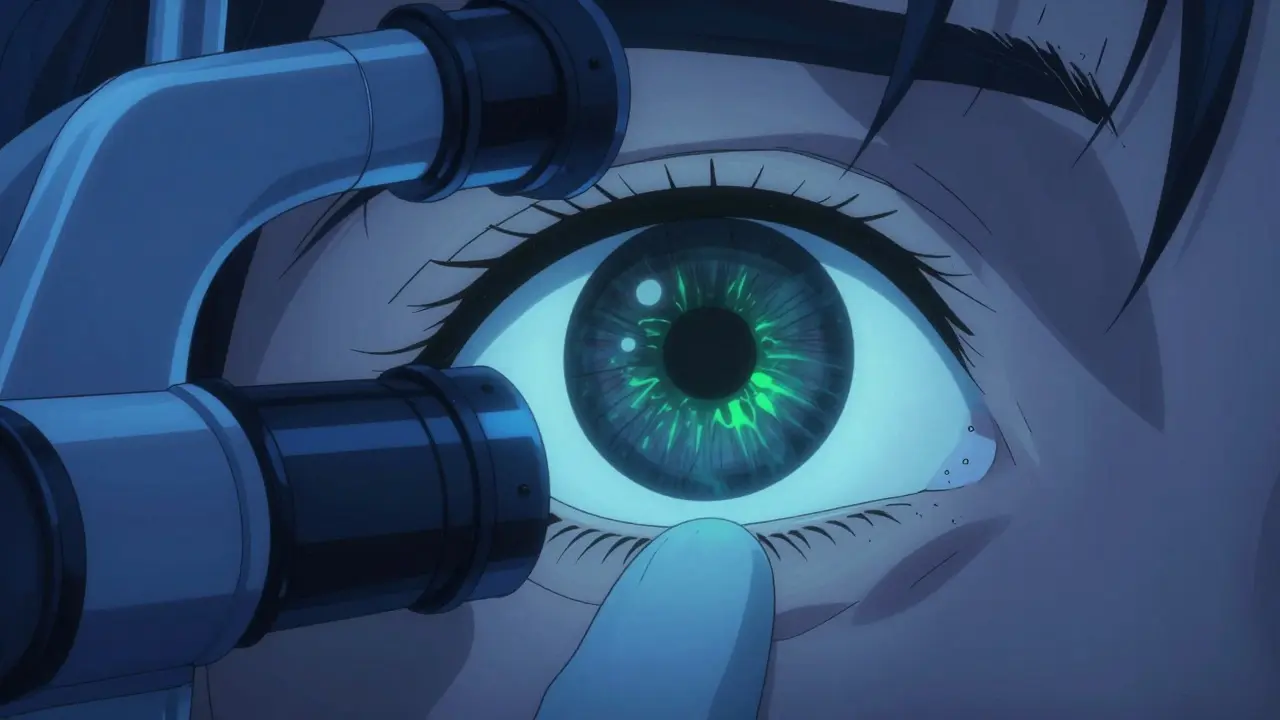
The clinic will perform a few key tests to determine exactly what bug is attacking your eye. First, they use fluorescein staining, a special green dye that highlights scratches and ulcers under blue light. Second, they may take a corneal scraping. This sounds invasive, but it involves gently swabbing the ulcer surface to send to a lab for culture analysis. This ensures you get the right medication. Using the wrong antibiotic won't stop the damage.
Treatment generally follows a path of broad-spectrum coverage first. For sight-threatening ulcers-defined medically as those larger than 2 mm or near the center of vision-immediate aggressive therapy is required. Most bacterial cases are treated with fluoroquinolone agents, a class of antibiotics strong enough to penetrate the infected tissue. Viral ulcers require antivirals like acyclovir, while fungal infections need completely different antifungal meds. This is why self-medicating with old steroid drops is dangerous; steroids reduce inflammation but also suppress immunity, allowing the infection to grow faster.
Recovery and Preventing Future Damage
Once the infection is under control, the eye needs to heal. In mild cases, drops alone suffice. But if significant scarring occurs, the cornea stays cloudy, affecting vision permanently. In severe instances, patients may need a Corneal Transplant is surgical procedure replacing damaged corneal tissue with donor tissue. This restores clarity but requires lifelong immune suppression. The recovery period typically ranges from a few weeks to several months depending on severity.
Prevention is the best cure. Following strict hygiene protocols is non-negotiable for anyone wanting to maintain healthy eyes while wearing lenses.
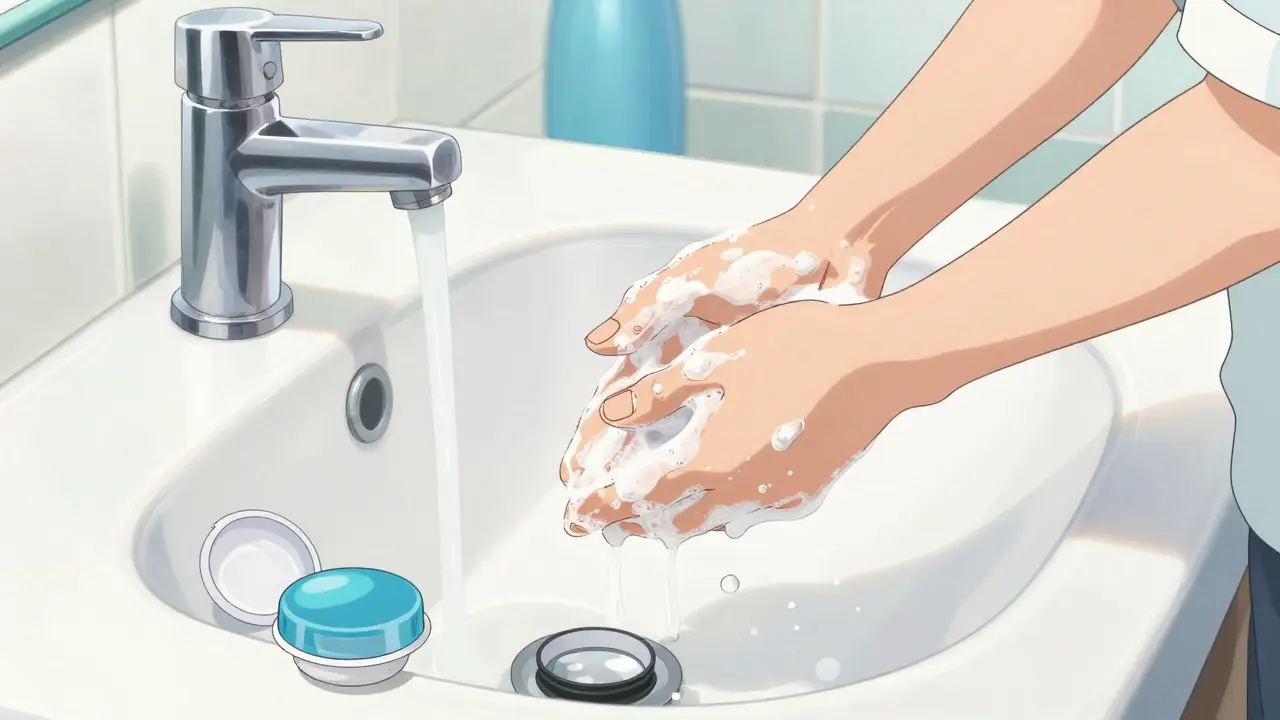
- Hand Washing: Wash hands with soap and water before touching anything near your face. Lotion residue or dust on fingers transfers directly to the cornea via the lens.
- No Water Contact: Never swim or shower in your lenses unless specifically advised otherwise. Tap water contains organisms like Acanthamoeba that thrive on lens surfaces.
- Replace on Schedule: Do not stretch the life of a two-week disposable lens to three weeks. Old lenses develop protein deposits that trap bacteria.
- Solution Swap: Rub and rinse your lenses every time you store them. Fresh multipurpose solution kills germs; tap water feeds them.
- Rest Days: Give your eyes a break by wearing glasses occasionally to restore natural oxygen flow.
In Halifax, Canada, or anywhere else, cold weather can worsen dry eye, which makes the cornea more susceptible to tears and entry points for bacteria. Being consistent with lubricants helps, but removing lenses when in doubt always protects your long-term health.
Can I reuse my contact lenses after an infection?
No. If you have had a corneal ulcer, the current lenses are contaminated with bacteria. You must discard them and start with a fresh pair once your doctor says it is safe to wear again.
Are steroids ever used to treat ulcers?
Sometimes, but only under strict supervision. Steroids reduce swelling but can weaken the immune response against infection. Using them incorrectly without an antibiotic shield can worsen the ulcer rapidly.
How long does healing take for a minor ulcer?
Small ulcers may heal within one to two weeks with proper antibiotic drops. Larger or deeper ulcers can take months, especially if scarring begins to form.
Does sleeping in contacts always cause an ulcer?
Not always, but the risk increases by 100 times. Even a single night of accidental oversleeping puts you in the danger zone because oxygen levels drop drastically behind the lens.
Can I drive if I have a corneal ulcer?
Driving depends on whether your vision meets legal safety standards. Since ulcers often cause blur and light sensitivity, you should avoid driving until cleared by an ophthalmologist.

11 Comments
You really need to understand the Dk/t value before you touch those plastics because hypoxia is a major risk factor here. Many people ignore the oxygen transmissibility ratings completely when purchasing their monthly disposables. The hypoxic stress on the epithelium creates microtrauma pathways that pathogens exploit easily. Bacteria love these compromised tissue surfaces much more than they would prefer healthy corneas anyway. Acanthamoeba cysts are particularly nasty when introduced to dry spots on the lens surface overnight. We see this pattern in clinic during summer swimming seasons constantly among patients. It is not just about washing your hands before insertion to prevent transmission. You also need to consider the case hygiene protocols daily without fail either. Stagnant multipurpose solution turns into a bacterial culture medium quickly after sitting. Rubbing the lenses physically disrupts the protein deposit layer effectively and reduces load. Without mechanical friction during storage cleaning germs survive better within the matrix. Extended wear modes increase the metabolic waste buildup significantly too due to reduced tear exchange. Your endothelial pump function works overtime to manage this swelling during the night cycle. Ignoring the photophobia signs until later delays essential treatment plans which could save vision. Always prioritize vision safety over cosmetic convenience in the long run when wearing lenses.
The statistics on sleeping in contacts are absolutely shocking!!! You cannot ignore the hundred times higher risk factor!!! Even modern materials cannot negate the biological consequences of oxygen deprivation!!! People think they are invincible but infection waits for no one!!!
Fascinating how the data gets buried under basic hygiene advice while the real issue lies in manufacturing defects. Most cheap brands leave microscopic scratches on the plastic itself creating harbor zones. The industry pushes extended wear because the profit margins are vastly superior on retention models. Ignoring the structural flaws in hydrogel polymers is a collective blindness of sorts. We treat symptoms rather than addressing the material toxicity involved in standard care.
i totallly agree that teh compaines dont care bout u eyess rellly badly. if u sleep in dem things u get infacted for sure and it hurts soo baddd. i saw a gurl lose her sight because she was lazy and kept wearing her lense to bed everynight. it is scary reallly and we shoudl listen to the docots more. pls dont ignore the warning signs like te pain and redness.
Compliance regarding contact lens regimen is paramount to ocular health preservation. Patients frequently underestimate the physiological strain placed upon the stromal layers by prolonged use. Strict adherence to replacement schedules mitigates the accumulation of pathogenic flora. Deviation from recommended protocols invariably leads to clinical presentations requiring surgical intervention. The medical imperative demands rigorous self-regulation by all wearers.
oh my god that sounds so terrifying and really true too. i think we all need to take better care of our bodies before it is too late. the damage is permanent and nobody wants scars on their eyes ever
😱 Everyone knows the big eye clinics push meds for fun 💊💸 They dont want us to see clearly on our own 😒 Tap water is probably toxic but who checks 🧐🙄 Just another way to control us all 👁️🗨️😡 Keep buying their drops folks 🤞
Just stick to glasses when you travel it helps (:
you can stay safe if you just follow the rules honestly. swapping to glasses once in awhile gives your eyes a much needed break. staying consistent with cleaning routines keeps the bacteria away from your vision. never swim with the contacts on since pool water has germs. your eyes will thank you for looking out for them
Everyone please read the warning signs carefully!!! White patches indicate active destruction!!! Do not drive if vision is blurry!!! Call the ophthalmologist immediately!!! Waiting only allows the infection to grow deeper!!!
It is good to remember that prevention works best here. Small changes in routine yield significant health improvements over time. Listening to professional medical advice remains the safest path forward. We all share responsibility for maintaining proper hygiene standards.
Write a comment