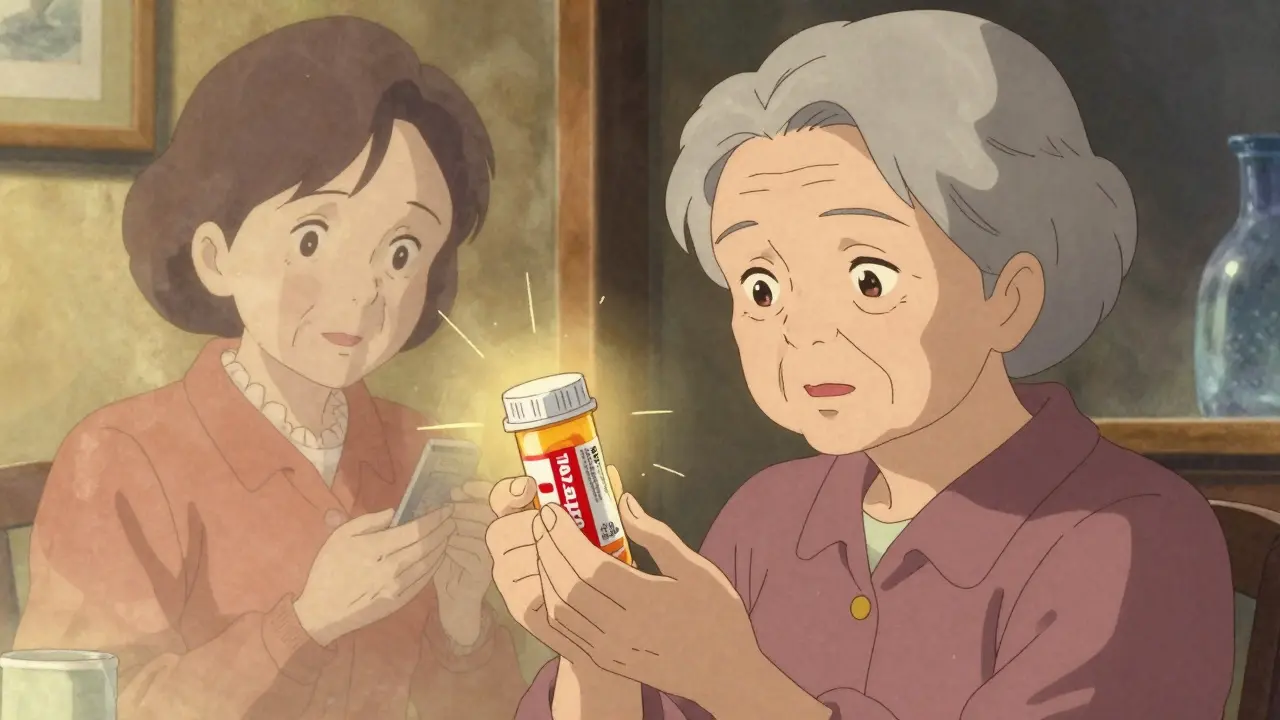
Why do some people refuse to take generic pills even when they cost a fraction of the brand-name version? It’s not about science. It’s about trust. And that trust changes dramatically depending on how old you are.
Generations See Generic Drugs Differently
If you’re over 60, you probably grew up seeing the same brand names on every medicine bottle-Tylenol, Advil, Lipitor. These weren’t just products; they were trusted names your doctor recommended, your mom bought, and your pharmacist swore by. Now, your grandkid picks up a generic version without a second thought. What’s going on?It’s not that older adults are irrational. They’ve lived through decades where brand names meant reliability. Back then, generics weren’t regulated the same way. Many people remember stories of cheap knockoffs that didn’t work. Even though the FDA now requires generics to match brand drugs in active ingredients, strength, and performance, the mental image hasn’t updated.
Studies show that 35.6% of the general public believes generics are less effective than brand-name drugs-even when they know they’re bioequivalent. That belief doesn’t fade with facts. It fades with experience. And experience is tied to age.
Younger Generations Don’t Care About the Logo
Millennials and Gen Z didn’t grow up with the same brand loyalty. They’ve seen pharmaceutical ads, but they’ve also seen TikTok explain how drugs work. They know that a $4 generic pill from Walmart does the same thing as a $50 branded one. They don’t see a difference because they’ve never been sold on the idea that the logo matters.For them, generics aren’t a compromise-they’re a smart choice. A 2023 survey found that 72% of adults under 35 actively choose generics when given the option, even without insurance. Why? Because they’ve been raised in a world where value equals logic. They don’t pay extra for packaging, celebrity endorsements, or fancy packaging. They pay for results.
And here’s the kicker: younger people are more likely to check the active ingredient on the label. They’re the ones reading the small print. They Google side effects. They compare prices across apps. Their health literacy isn’t just higher-it’s actively practiced.
Older Adults Trust What They Know, Even When It’s Outdated
Baby Boomers and older Gen Xers often have more medication experience. They’ve taken pills for decades. But that doesn’t mean they understand how generics work today. In fact, their confidence in their own knowledge often gets in the way.Research shows a big gap between subjective and objective knowledge. Subjective knowledge is what you think you know. Objective knowledge is what you actually know. Older adults tend to have high subjective knowledge-they’ve taken pills for years, so they feel like experts. But their objective knowledge? Often outdated. They don’t know that the FDA now requires generics to prove they’re absorbed in the body at the same rate as brand drugs. They don’t know that the same factories sometimes make both versions.
One study found that only 48.9% of healthcare professionals-even doctors and pharmacists-believed generics were as effective as brand-name drugs. That’s not because they’re wrong. It’s because they learned their medicine in a different era. And many older patients mirror that same skepticism.
Marketing Still Works-Even on People Who Think They’re Above It
Brand-name drug companies spend billions on advertising. You see their commercials on TV, hear them on the radio, get brochures in your doctor’s office. The message is simple: This is the real one. The original. The best.That messaging doesn’t just influence the elderly. It reinforces their existing beliefs. When you’ve been told for 30 years that “Lipitor is the gold standard,” you don’t just believe it-you feel it. Switching to a generic feels like a risk, even if the science says otherwise.
Younger people? They’re less exposed to this kind of advertising. They skip commercials. They use ad blockers. They get their health info from YouTube doctors, Reddit threads, or their pharmacist-not from a 60-second spot starring a celebrity hiking a mountain.
Health Literacy Is the Real Divider
The biggest factor separating generations isn’t age-it’s health literacy. And that’s shaped by education, access to information, and how healthcare was explained to you growing up.People who grew up in the 1970s and 80s often had doctors who said, “Take this,” without explaining why. Today’s younger adults grew up with websites like WebMD, patient portals, and telehealth apps that break down how drugs work. They’re used to asking questions. They’re used to understanding dosage, half-life, and active ingredients.
That’s why a 25-year-old can look at a generic metformin pill and say, “It’s got the same active ingredient as Glucophage. Same dose. Same manufacturer. I’m good.” Meanwhile, a 65-year-old might say, “But what if it doesn’t work the same? I’ve been on this for 15 years. I don’t want to risk it.”
It’s not stubbornness. It’s a lack of updated information. And that’s fixable.
How to Bridge the Gap
If you’re a doctor, pharmacist, or caregiver, here’s what actually works:- Don’t say “It’s just a generic.” Say, “This has the same active ingredient as your old pill. It’s made to the same standards. It’s just cheaper.”
- Point to the label. Show them the active ingredient. Match it to the brand name. Make it visual.
- Use trusted sources. Mention the FDA. Say, “The FDA requires this to be identical in how your body absorbs it.”
- Don’t assume they know. Even if they’ve been on meds for years, they might not know how generics are regulated today.
One pharmacy chain tested a simple change: they printed a small note on the bottle saying, “This generic is approved by the FDA and works the same as [Brand Name].” Patient acceptance jumped by 28% in just three months. No persuasion. No pressure. Just clear, factual labeling.
The Numbers Don’t Lie
In the U.S., 90% of all prescriptions are filled with generics. That’s over 4 billion prescriptions a year. But generics only make up 23% of total drug spending. Why? Because they cost 80-85% less. That’s billions saved for patients, insurers, and Medicare.And it’s working. In China, after the government pushed for generic procurement, generics went from 60% to 78% of prescriptions in just five years. People didn’t protest. They switched. Why? Because the system made it easy, clear, and trusted.
The problem isn’t the drug. It’s the story we tell about it.
It’s Not About Money-It’s About Control
Many older patients resist generics not because they can’t afford the brand, but because they feel like they’re losing control. “My doctor prescribed this brand. I know how it works. I know how I feel on it.” Switching feels like being forced into something new. It’s not about cost. It’s about autonomy.That’s why the best approach isn’t to push generics. It’s to give people the power to choose-with full information. When older adults are shown the evidence, given time, and allowed to try a generic under supervision, most switch without issue. The fear fades when they see the results.
What’s Next?
We need age-specific education. Not one-size-fits-all brochures. We need videos for seniors that show real patients talking about switching. We need social media campaigns for younger people that celebrate smart choices. We need pharmacists trained to explain this differently to different generations.The science is settled. Generics work. But perception doesn’t follow science. It follows experience, memory, and trust. And those are shaped by the decade you were born in.
Fixing this isn’t about convincing people they’re wrong. It’s about giving them the right information in the right way-at the right time.
Are generic drugs really as effective as brand-name drugs?
Yes. The FDA requires generic drugs to have the same active ingredients, strength, dosage form, and route of administration as the brand-name version. They must also prove they’re absorbed into the body at the same rate and to the same extent. This is called bioequivalence. Thousands of studies confirm that generics work just as well. The only differences are in inactive ingredients-like color or filler-which don’t affect how the drug works.
Why do some doctors still prescribe brand-name drugs?
Some doctors prescribe brand-name drugs out of habit, especially if they trained decades ago when generics had a worse reputation. Others do it because patients ask for them. A small number may believe certain generics aren’t as consistent-though studies show no meaningful difference in outcomes. In fact, pharmacists are more likely to support generics than physicians, because they see the cost savings and patient outcomes firsthand.
Can I switch from a brand-name drug to a generic safely?
For most medications, yes. For drugs with a narrow therapeutic index-like warfarin, levothyroxine, or some epilepsy meds-doctors may monitor levels more closely when switching. But even in these cases, switching to a generic is safe if done under medical supervision. The FDA approves all generics, and there’s no evidence that generics cause more side effects than brand-name drugs.
Why do generics cost so much less?
Generics don’t need to repeat expensive clinical trials because they’re proven to be equivalent to the brand-name drug. They also don’t spend money on TV ads, celebrity endorsements, or fancy packaging. The savings are passed on to patients. A generic version of a drug can cost 80-85% less than the brand, sometimes as little as $4 for a 30-day supply.
Do generics come from the same factories as brand-name drugs?
Yes. In fact, about 50% of generic drugs are made by the same companies that make brand-name versions. The FDA inspects all manufacturing plants-whether they make brand or generic drugs-and holds them to the same standards. The only difference is the label on the bottle.
Is it true that generics have more side effects?
No. There’s no credible evidence that generics cause more side effects than brand-name drugs. Side effects come from the active ingredient, which is identical in both. Some people notice differences because they’re sensitive to inactive ingredients (like dyes or fillers), but these are rare and usually minor. If you have a reaction, talk to your doctor or pharmacist-it’s not because it’s generic.

10 Comments
generics work. period. if your body reacts to the filler dye or whatever, talk to your pharmacist. not the internet. stop being scared of cheap pills. you’re not a lab rat.
Wow. Just... wow. So now it’s okay to gamble with your health because ‘it’s cheaper’? You’re not ‘smart’-you’re reckless. People have died from substandard meds in the past. The FDA didn’t fix everything. Some generics still have bioavailability issues-especially from overseas factories. And you? You just trust a label. That’s not logic. That’s naivety. 😒
imagine being 65 and still thinking the logo means something 😭 i just took my grandma to the pharmacy and she cried because her Lipitor was ‘not the same’. i showed her the FDA note on the bottle. she still didn’t believe me. mom, it’s the same pill. just no fancy packaging. 🤦♀️
Stop coddling old people. If they don’t want generics, fine. But don’t act like they’re wise elders. They’re clinging to nostalgia like it’s a life raft. The science is settled. The cost savings are massive. The FDA doesn’t lie. If you’re still scared, go ahead and pay $80 for a pill that does the same thing as the $4 one. But stop pretending you’re making a ‘responsible’ choice. You’re just wasting money-and making others pay for it.
I’ve worked in a pharmacy for 14 years. I’ve seen this play out over and over. The people who resist generics? They’re not dumb. They’re scared. They’ve been burned before-by bad experiences, by doctors who didn’t explain, by stories from friends who ‘got sick’ after switching. It’s not about the pill. It’s about feeling safe. The key isn’t to argue. It’s to listen. Show them the label. Let them hold the bottle. Let them see the same FDA stamp. Then give them time. Most switch within a month. Not because they were convinced. Because they felt heard.
in india we switched to generics decades ago. no one cared about brands. my aunt takes generic metformin, my uncle takes generic atorvastatin. no one died. no one got worse. the only people who complain are the ones who see the word ‘generic’ and think ‘fake’. it’s not fake. it’s just not marketed like a luxury watch.
USA still lets big pharma rip us off. generics are 85% cheaper and they’re made in the same plants. if you’re still buying brand name, you’re not patriotic-you’re being played. we don’t need celebrity ads. we need common sense. stop being a cash cow for the drug companies. switch. now.
It is, indeed, a compelling and empirically substantiated phenomenon that generational epistemological frameworks-shaped by sociocultural exposure to pharmaceutical marketing, healthcare communication paradigms, and historical regulatory contexts-exert a profound influence on medication adherence and therapeutic decision-making. The cognitive dissonance observed between objective bioequivalence data and subjective perceptions of efficacy is not anomalous; it is a well-documented artifact of heuristics and anchoring bias. Moreover, the efficacy of granular, patient-specific educational interventions-such as label transparency and visual ingredient mapping-demonstrates statistically significant improvements in acceptance rates, as evidenced by the 28% increase cited. The imperative, therefore, is not merely to disseminate information, but to recalibrate trust architecture through calibrated, context-sensitive communication.
My dad switched to generic Lipitor last year. He was terrified. I sat with him for 20 minutes, showed him the FDA page, and we checked the manufacturer-it was the same one that made the brand. He took one pill. Then another. Two weeks later, he said, ‘I didn’t feel any different.’ That’s it. No drama. No panic. Just… same results. He still calls it ‘the cheap one’-but he takes it. Sometimes, all you need is someone to sit with you while you try it.
My mom still won’t take generics. She says, ‘I don’t want to be the guinea pig.’ I get it. But I also think we need to stop making people feel guilty for being scared. Maybe we need a ‘generic trial pack’-a 7-day supply with a note: ‘Same pill. Different label. Try it. No pressure.’ No shouting. No memes. Just a quiet option. That’s how you win people over-not by calling them dumb, but by making safety feel real.
Write a comment