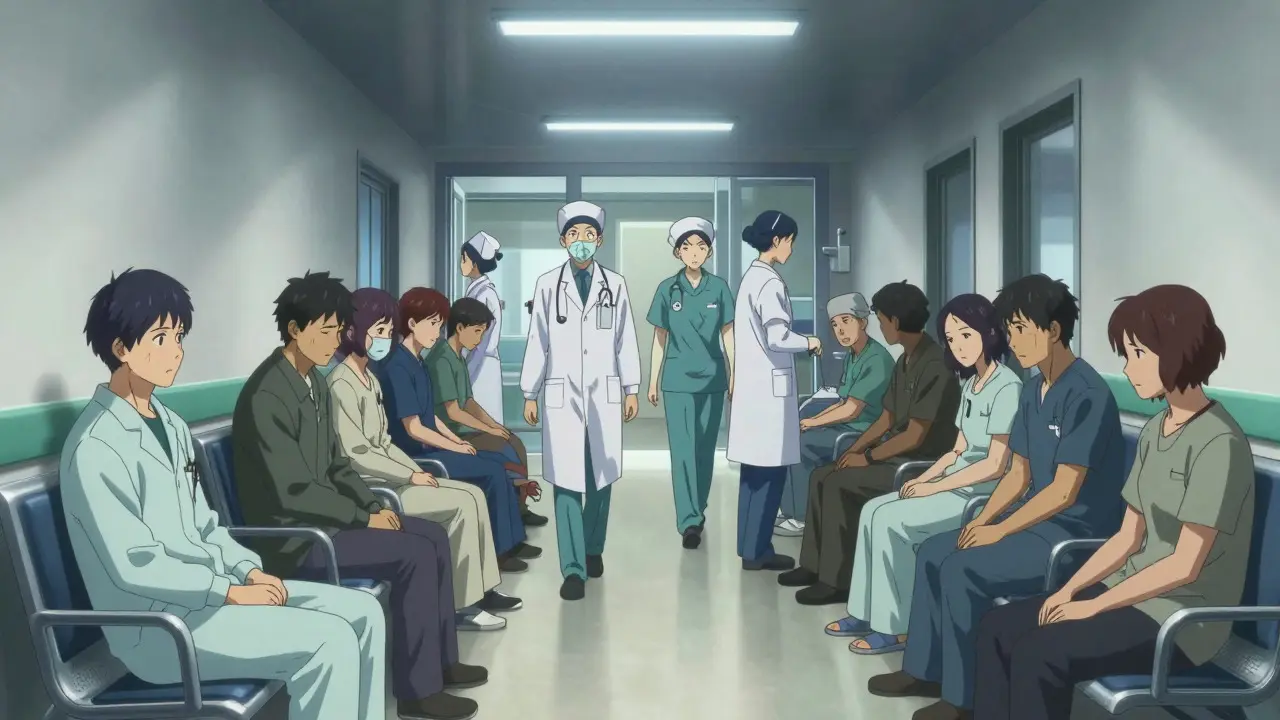
Walk into a rural emergency room in Nevada or a busy urban clinic in California, and you might notice the tension before anyone speaks. The waiting rooms are full, but the staff looks exhausted. This isn't just bad luck; it is the direct result of a deepening healthcare system shortages crisis that has moved from a background concern to an operational emergency. By mid-2026, the gap between the number of available healthcare workers and the demand for their services has widened significantly, forcing hospitals and clinics to make tough choices about who gets seen, how long they wait, and what kind of care they receive.
The situation is particularly acute because we are dealing with a double whammy: an aging population that needs more complex care, and a workforce that is retiring faster than new graduates can replace them. For patients, this means longer waits and potentially fewer options. For providers, it means burnout and high turnover. Understanding how these shortages specifically impact daily operations in hospitals versus outpatient clinics is crucial for anyone navigating the current healthcare landscape.
The Scale of the Workforce Gap
To understand the impact, we first need to look at the numbers. The U.S. Bureau of Labor Statistics projects over 193,100 openings for registered nurses annually through 2032. However, the Health Resources and Services Administration (HRSA) estimates a shortfall exceeding 500,000 RNs by 2030 across 37 states. It’s not just nurses, either. The Association of American Medical Colleges projects a physician shortage of 86,000 by 2036.
- Nursing Faculty: Vacancies stand at 8.8% nationally, limiting how many new nurses can even enter the pipeline.
- Behavioral Health: Deficits are projected across all specialties by 2036, with 12,400 unfilled positions nationally as of late 2024.
- Radiology: A 12% projected deficit by 2030, though less severe than nursing or primary care.
These aren't abstract figures. They represent empty chairs at the bedside and unattended phones at the front desk. When nearly 50% of nurses are over age 50, and a third are expected to retire within the next decade, the system is losing its experienced core just as demand peaks.
Hospital Operations Under Pressure
Hospitals feel the sting of these shortages most acutely because they operate 24/7 with rigid safety requirements. In facilities where nurse-to-patient ratios exceed 1:4, mortality rates jump by 7%, according to research published in JAMA. This isn't just a statistic; it's the difference between catching a subtle change in a patient's condition and missing it until it becomes critical.
Administrators are responding with measures that often backfire. According to the MGMA Leadership Forum, 68% of facilities now use mandatory overtime at least twice weekly. While this keeps beds open, it leads to fatigue. One hospital CEO noted that closing just 12 inpatient beds weekly due to staffing costs $4.2 million monthly in lost revenue. To keep up, many systems rely on travel nurses, who filled 12% of hospital positions in 2023. But this comes at a cost: labor expenses increased by 34%. Furthermore, the pay disparity-travelers earning $185/hour vs. permanent staff at $65/hour-creates resentment that further drives up turnover among local employees.

Clinic Challenges: Access and Continuity
If hospitals struggle with capacity, outpatient clinics struggle with access. Urban outpatient clinics operate at 79% staffing levels, while rural clinics sit at a precarious 58%. This gap directly affects patient experience. On Healthgrades, complaints about long wait times have increased by 27% since 2022. Patients in rural areas report waits of up to 72 hours for non-emergency procedures, simply because there isn't enough staff to see them sooner.
The lack of continuity is another major issue. When regular doctors or nurses leave, patients often get bounced between temporary replacements who don't know their history. This fragmentation increases the risk of medication errors and missed follow-ups. For chronic disease management, which requires consistent monitoring, this is particularly dangerous. Clinics are trying to adapt by using telehealth triage, which reduced ER visits by 19% in pilot programs, but implementing these tools requires significant upfront investment and technical support that smaller practices often lack.
Comparative Impact: Hospitals vs. Clinics
The way shortages manifest differs depending on the setting. Here is a breakdown of key metrics comparing large academic medical centers with rural community facilities:
| Metric | Academic/Urban Centers | Rural/Community Facilities |
|---|---|---|
| Staffing Level | 82% | 67% |
| Vacancy Rate | Standard | 37% higher than urban |
| Avg. Wait Time Increase | Moderate | Up to 72 hours for non-ER |
| Use of Travel Staff | High (for surge) | Limited (cost barrier) |
This table highlights a growing divide. Wealthier, urban systems can absorb the shock by buying temporary labor or investing in technology. Rural and smaller facilities often cannot, leading to service closures and longer delays for patients in those regions.

The Human Cost: Burnout and Retention
Behind the operational data is the human element. Nurses and doctors are leaving in record numbers. The Medscape Nurse Compensation Report found that 63% of nurses are considering career changes, with 41% citing "unsafe patient ratios" as the main reason. Dr. Atul Gawande called this crisis the "most significant threat to healthcare quality since the advent of antibiotics."
When staff are burned out, they make more mistakes. Each 10% increase in nurse turnover correlates with a 6.5% rise in hospital-acquired infection rates. This creates a vicious cycle: high workload leads to turnover, which increases workload for remaining staff, leading to more turnover. Breaking this cycle requires more than just offering signing bonuses; it requires systemic changes in how work is distributed and supported.
Solutions and Future Outlook
So, what can be done? Experts agree that no single fix will solve this problem. Technology offers partial relief. AI-assisted diagnostics and remote monitoring could offset 30-40% of staffing gaps, according to Dr. Robert Wachter. However, adopting these tools takes time. The learning curve for AI documentation averages 8.7 weeks, and 68% of facilities face interoperability issues when integrating new tech with existing Electronic Health Records (EHR).
Policy plays a role too. The Biden administration allocated $500 million for nursing education expansion in April 2025, but experts say this covers only 18% of what is needed. Successful models like the Mayo Clinic's "Care Team Redesign" show that investing in workflow changes can reduce turnover by 31%, but it requires millions in investment and months of planning. For the average clinic, this is out of reach.
Looking ahead, the global shortage is predicted to peak at 15 million workers by 2027. Without significant intervention, U.S. nursing shortages could persist through 2035. The path forward involves a mix of better pay, improved working conditions, technological integration, and expanded educational pipelines. Until then, patients and providers alike must navigate a system that is stretched thin, requiring patience, flexibility, and a clear understanding of where the bottlenecks lie.
Why are healthcare shortages worse in rural areas?
Rural areas face higher vacancy rates (37% higher than urban) because they offer lower salaries and fewer amenities, making it harder to attract and retain skilled professionals. Additionally, rural facilities often lack the resources to hire expensive travel nurses or implement advanced technology solutions.
How do nurse-to-patient ratios affect patient safety?
Higher ratios mean each nurse cares for more patients simultaneously. Research shows that when ratios exceed 1:4, mortality rates increase by 7%. Fewer eyes on patients lead to slower detection of complications, such as sepsis or bleeding, increasing the risk of adverse outcomes.
Are travel nurses a good solution for staffing gaps?
They provide immediate relief but come with downsides. Travel nurses cost 34% more than permanent staff and can create wage disparities that demoralize local teams. While they fill gaps, they don't address the root causes of turnover and may not build long-term institutional knowledge.
What role does technology play in reducing shortages?
Technology can automate administrative tasks and enable remote monitoring, potentially offsetting 30-40% of staffing needs. Tools like AI-assisted documentation and telehealth triage help clinicians focus on direct patient care rather than paperwork, improving efficiency without necessarily adding headcount.
When will the healthcare workforce crisis end?
Most projections suggest the shortage will peak around 2027. Significant improvement depends on massive investments in education and retention. Without these interventions, HRSA models indicate that nursing shortages in the U.S. could continue through 2035.
