Generic drugs make up 90% of all prescriptions filled in the U.S., but they account for just 23% of total drug spending. That’s the power of competition - when patents expire, dozens of manufacturers rush in to produce the same medicine at a fraction of the cost. But here’s the catch: not all generics are cheap. Some cost more than they should, and sometimes, they spike overnight with no warning. How does the government actually control these prices? And why do some patients still pay $45 for a pill that should cost $5?
How Medicaid Forces Generic Drug Discounts
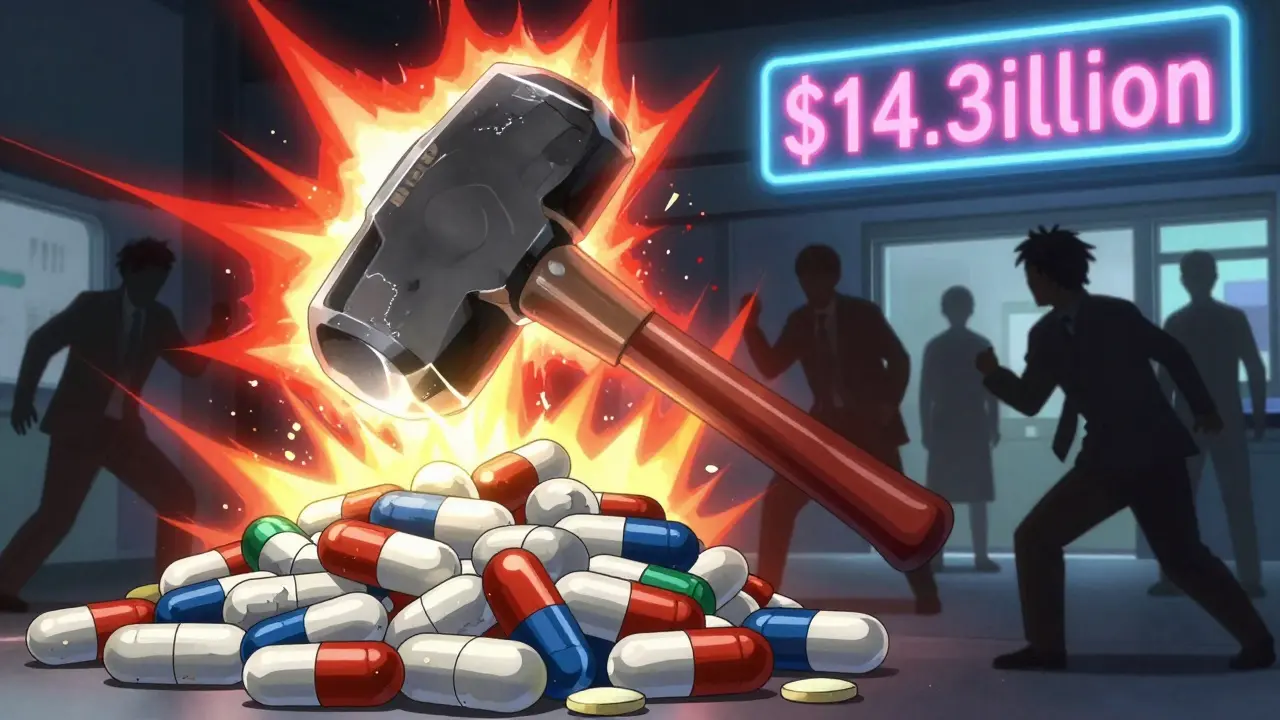
The biggest lever the federal government uses to control generic drug prices isn’t a law that sets prices - it’s a rebate system. Since 1990, the Medicaid Drug Rebate Program (MDRP) has required drugmakers to pay back money to states for every generic drug sold to Medicaid patients. The math is simple: manufacturers must pay the greater of 23.1% of the Average Manufacturer Price (AMP) or the difference between AMP and the lowest price they offer any other buyer. That’s called the “best price” rule.In 2024, this program brought in $14.3 billion in rebates - 78% of all Medicaid drug rebates came from generics. That’s not charity. It’s a financial hammer. If a company tries to jack up prices, they lose more money in rebates than they gain in sales. The system works because Medicaid is the largest single buyer of drugs in the country. No manufacturer can afford to lose that market.
Medicare Part D and the $2,000 Cap
Before 2025, Medicare Part D beneficiaries paid 25% of the cost for generics until they hit a coverage gap. Then, they paid everything out of pocket until they hit catastrophic coverage. That meant some people on multiple generics could spend over $1,000 a year just on copays.The Inflation Reduction Act (IRA) of 2022 changed that. Starting in 2025, no Medicare beneficiary pays more than $2,000 a year out of pocket for all drugs - brand or generic. That’s huge. For someone taking five generic medications, it cuts annual costs by nearly half. And for low-income beneficiaries enrolled in the Low-Income Subsidy (LIS) program, the copay for generics is now $0 to $4.90 per prescription. That’s not a discount - it’s near-free access.
Why Some Generics Still Cost a Fortune
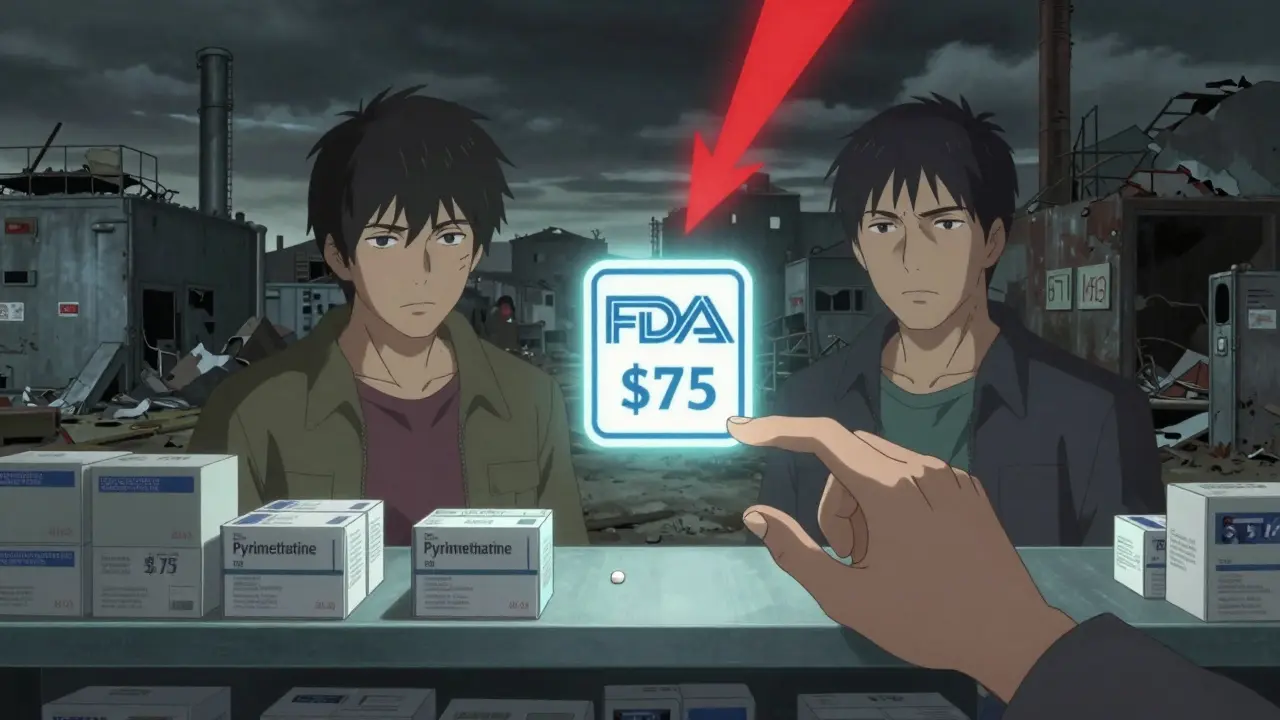
You’d think with 1,500 manufacturers making over 10,000 generic drugs, prices would always be low. But that’s not how it works. When only one or two companies make a drug - say, a rare antibiotic or a thyroid medication - competition vanishes. And prices go wild.In 2024, pyrimethamine (Daraprim), a 60-year-old generic used to treat parasitic infections, jumped 300% in price because only two manufacturers were left. One of them raised the cost from $13.50 to $75 per tablet. No one could challenge them. The FDA approved dozens of alternatives, but none got to market fast enough. This isn’t rare. In 2025, the Government Accountability Office found that over 120 generic drugs had price increases of 100% or more in the past five years - all in markets with fewer than three suppliers.
That’s why experts call these “orphan generics.” They’re not rare diseases - they’re rare manufacturers. And without competition, there’s nothing to stop price gouging.
How the 340B Program Slashes Prices for the Vulnerable
If you’re a low-income patient getting care at a community health center, you’re likely benefiting from the 340B Drug Pricing Program. This program forces drugmakers to sell outpatient drugs - including generics - at prices 20% to 50% below the average market rate. It’s not a subsidy. It’s a legal requirement for companies that want to sell to Medicaid and Medicare.Over 1,000 safety-net clinics across the U.S. use 340B to offer free or nearly free medications. One clinic in rural Alabama reported that after joining 340B, their patients’ adherence to blood pressure meds jumped from 52% to 89%. That’s not just savings - it’s lives saved. And here’s the kicker: 87% of these clinics say 340B is the main reason they can keep their doors open.
Why the U.S. Pays More Than Other Countries
The U.S. doesn’t have a national price control system like Canada or Germany. Instead, we rely on market competition. But that system has holes. A 2025 KFF analysis found U.S. generic drug prices are 1.3 times higher than the average of 32 other wealthy nations. Why?It’s not because we’re paying more per pill - it’s because we’re paying more per transaction. In Canada, the government negotiates prices for everyone. In Germany, they compare prices across Europe and set a maximum. In the U.S., each pharmacy benefit manager (PBM), each insurer, each state Medicaid agency negotiates separately. That fragmentation means manufacturers can play them off each other.
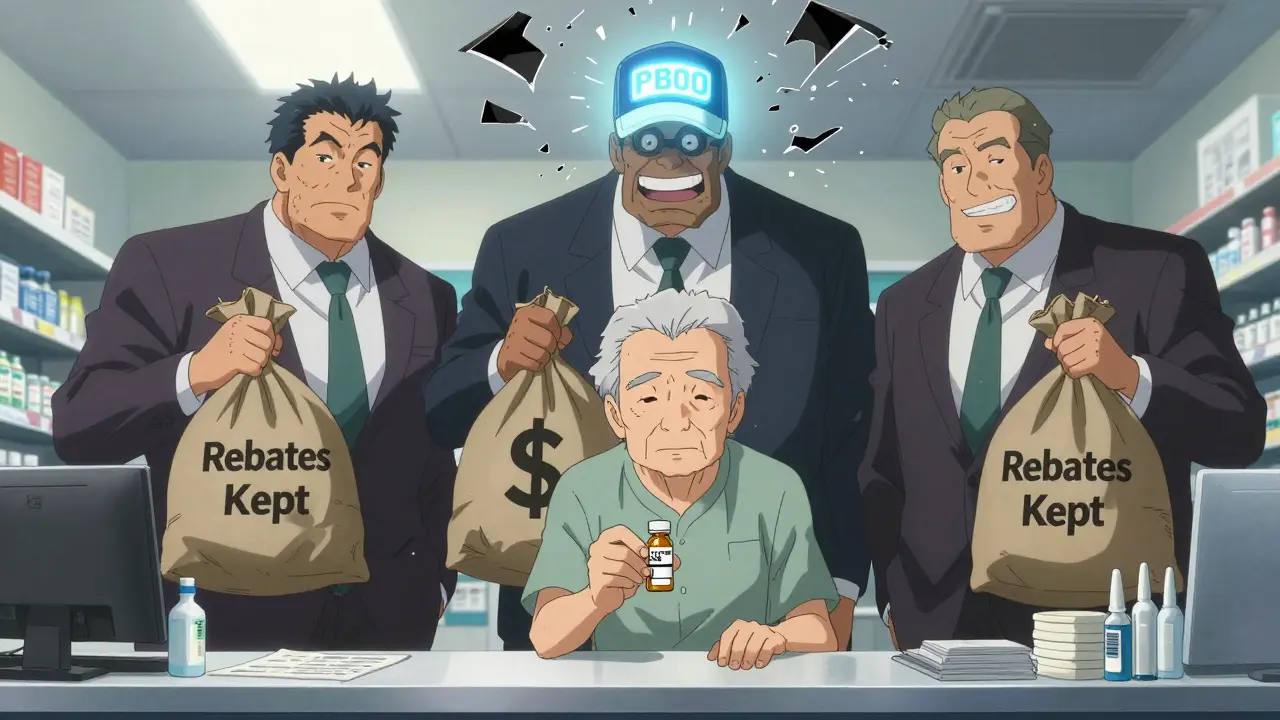
And then there’s the PBM problem. PBMs are middlemen hired by insurers to manage drug lists. They get rebates from manufacturers - billions of dollars - but they don’t always pass those savings to patients. A Senate report in July 2025 found that 68% of generic drug rebates never reach the person at the counter. Instead, they’re kept by PBMs as profit. That’s why two people with the same insurance can pay wildly different prices for the same generic.
What’s Changing in 2026 and Beyond
The biggest shift is coming with Medicare’s new drug price negotiation program. Under the Inflation Reduction Act, Medicare can now negotiate prices for 10 high-cost drugs per year. The first round in 2026 included brand-name drugs like Eliquis and Januvia. But here’s the twist: the second round in 2027 will include generic versions of Eliquis (apixaban) and Xarelto (rivaroxaban).Why? Because even generics can be expensive if they’re widely used. These two blood thinners cost over $40 billion in Medicare spending in 2025. And while they’re technically generic, only three manufacturers make them. That’s not competition - it’s an oligopoly. Negotiating prices on these could cut costs by 25% to 35% for millions of seniors.
Industry groups warn this could hurt innovation. But the data says otherwise. Generic manufacturers already operate on thin margins - under 15% profit. They’re not building new drugs. They’re making old ones cheaper. If the government steps in to prevent price spikes in markets with no competition, it won’t kill innovation - it’ll protect patients.
What Patients Can Do Right Now
You can’t control drug policy. But you can control how you buy generics.- Use the Medicare Plan Finder tool. Compare plans every year. The cheapest plan for your meds in January might be the most expensive in June.
- Ask your pharmacist about 340B pharmacies. If you’re eligible, you can get your generics at a discount even if you’re not on Medicaid.
- Check if your drug is on the VA formulary. The VA pays far less for generics than Medicare. If your doctor can prescribe a VA-listed generic, you might be able to get it cheaper through a VA-affiliated clinic.
- Use mail-order pharmacies. They often have lower copays because they buy in bulk.
- Speak up. If your generic price jumped unexpectedly, file a complaint with your state’s insurance commissioner. There’s no law against asking.
One woman in Florida, Mary Johnson, paid $15 a month for her generic lisinopril - until her pharmacy switched to a different manufacturer. Suddenly, her copay jumped to $90. She called her insurer. They said it was “within policy.” She called her congressman. They sent her a form. She didn’t stop. She filed a complaint with the state. Three weeks later, her pharmacy switched back. Her copay went down again.
That’s the power of persistence. The system is broken in places. But it’s not unbreakable.

1 Comments
This is exactly why I switched to mail-order for my generics. Paid $80 last year for my blood pressure med. This year? $12. No drama. Just order online and let them handle the rest.
Write a comment