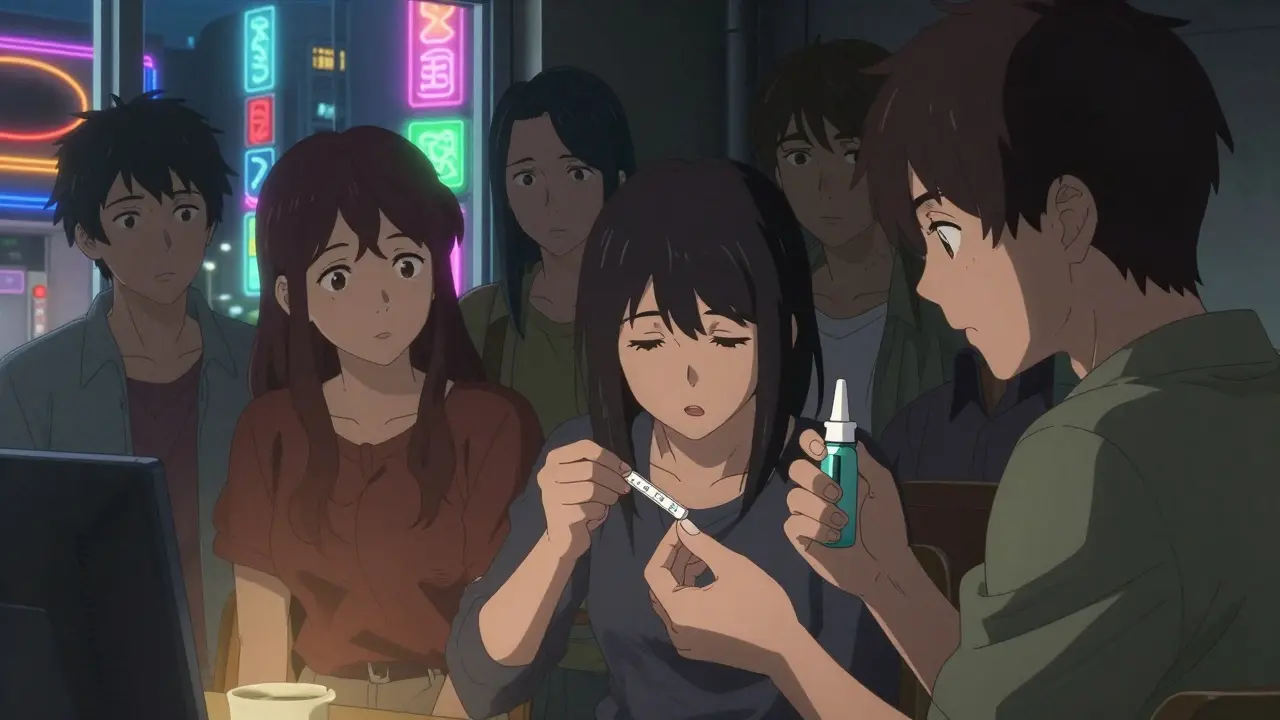
Every day, people die from overdoses because no one knew what to do-or worse, they were afraid to act. It doesn’t have to be this way. Overdose isn’t always a death sentence. With the right tools, knowledge, and support, many of these deaths can be prevented. If you or someone you care about has a substance use disorder, this isn’t about judgment. It’s about survival.
Know the Real Danger: Fentanyl Is Everywhere
The biggest threat today isn’t heroin or prescription pills. It’s fentanyl. This synthetic opioid is 50 to 100 times stronger than morphine. It’s mixed into drugs people think they’re buying-cocaine, Xanax, meth, even fake oxycodone pills. The DEA found that 6 out of every 10 counterfeit pills seized in 2022 contained a lethal dose of fentanyl. People don’t know they’re taking it. That’s why overdoses happen so fast-and why so many are fatal.And it’s not just opioids. Polysubstance use is now behind 78% of overdose deaths. Someone might take a pill thinking it’s just painkillers, but it also has fentanyl and xylazine-a sedative that naloxone can’t reverse. This makes prevention more complex, but not impossible.
Carry Naloxone. Everyone Should.
Naloxone is the one thing that can bring someone back from an opioid overdose. It’s safe, easy to use, and works in minutes. You don’t need to be a doctor. You don’t need a prescription. Since March 2023, Narcan-the most common brand of naloxone-has been available over the counter at pharmacies across the U.S. and Canada.There are two forms: nasal spray and injectable. The nasal spray is the easiest. You just tilt the head back, insert the nozzle, and press the plunger. That’s it. Studies show 96% of people trained for just 20 minutes can use it correctly. And 95% remember how after six months.
Keep one in your bag. Keep one in your car. Give one to a friend who uses drugs. If you’re worried about someone, ask them if they have naloxone. If they don’t, help them get it. Pharmacies, community centers, and harm reduction programs give it out for free. In San Francisco’s DOPE Project, naloxone distribution alone cut overdose deaths by 2,600 in one year.
Test Your Drugs Before Using
Fentanyl test strips are small, cheap, and accurate. You put a tiny bit of powder or dissolve a pill in water, dip the strip in, and wait a minute. One line means no fentanyl. Two lines? Fentanyl is present. It’s not perfect-false negatives can happen, especially with pills-but it’s better than guessing.These strips detect fentanyl in cocaine, meth, heroin, and fake pills. They cost less than a dollar each. Many harm reduction centers give them away. Some people use them before every use. Others test batches before sharing. Either way, it gives control back to the user.
Don’t assume a drug is safe because it looks familiar. Fake pills now mimic the exact color, shape, and logo of real prescriptions. If you didn’t get it from a pharmacy, assume it’s dangerous.
Medication-Assisted Treatment Works-Better Than Anything Else
The most effective way to prevent overdose long-term is medication-assisted treatment (MAT). It’s not replacing one drug with another. It’s stabilizing the brain so people can live, work, and heal.There are three FDA-approved medications:
- Methadone-taken daily at a clinic, reduces cravings and withdrawal.
- Buprenorphine-can be prescribed by a doctor and taken at home. Less risk of misuse.
- Naltrexone-blocks opioids entirely. Must be used after full detox.
Studies show MAT reduces overdose deaths by 50%. The CDC says it’s the single most effective clinical intervention. But here’s the problem: only 18.4% of people with opioid use disorder in the U.S. got any of these in 2022. Why? Stigma. Lack of providers. Rural areas have almost no access. In 60% of rural counties, there’s not a single provider offering MAT.
If you’re ready to get help, ask for buprenorphine. It’s easier to access than methadone. Many primary care doctors can prescribe it now. If your doctor says no, find a clinic that specializes in addiction. You deserve treatment. You’re not failing. You’re healing.
Never Use Alone
Using drugs alone is one of the biggest risk factors for fatal overdose. If something goes wrong, no one’s there to help. The Never Use Alone hotline solves this. Call before you use. Someone stays on the line with you. If you stop responding, they call 911 and send help. In 2023, they responded to 12,000 overdose incidents every month.You don’t need to be in crisis to call. You can call just to talk. You don’t have to give your name. You don’t have to be ready to quit. You just need to be safe. It’s free. It’s anonymous. And it saves lives.
Build a Safety Plan
A safety plan isn’t just for emergencies. It’s a simple list of steps you take before using, so if something goes wrong, you’re protected. Here’s what one looks like:- Test your drugs with a fentanyl strip.
- Have naloxone nearby and know how to use it.
- Tell someone you’re using and when you’ll check in.
- Use in a place where help is close.
- Don’t mix drugs unless you know what you’re taking.
- Start with a small amount-even if you think you’re tolerant.
A 2022 study found that people who used structured safety plans had 28% fewer overdose events. It’s not about stopping use. It’s about staying alive while you’re working on recovery.
Know the Signs of an Overdose
Time matters. If you see these signs, act immediately:- Unresponsive or unconscious
- Slow, shallow, or stopped breathing
- Lips or fingernails turning blue or purple
- Pinpoint pupils
- Gurgling or snoring sounds
Don’t wait for all of them. Don’t assume they’re just asleep. If someone doesn’t wake up when you shake them and shout their name, start administering naloxone. Then call 911. Even if they wake up, they still need medical care. Naloxone wears off in 30 to 90 minutes. Fentanyl can last longer. They could overdose again.
Break the Stigma
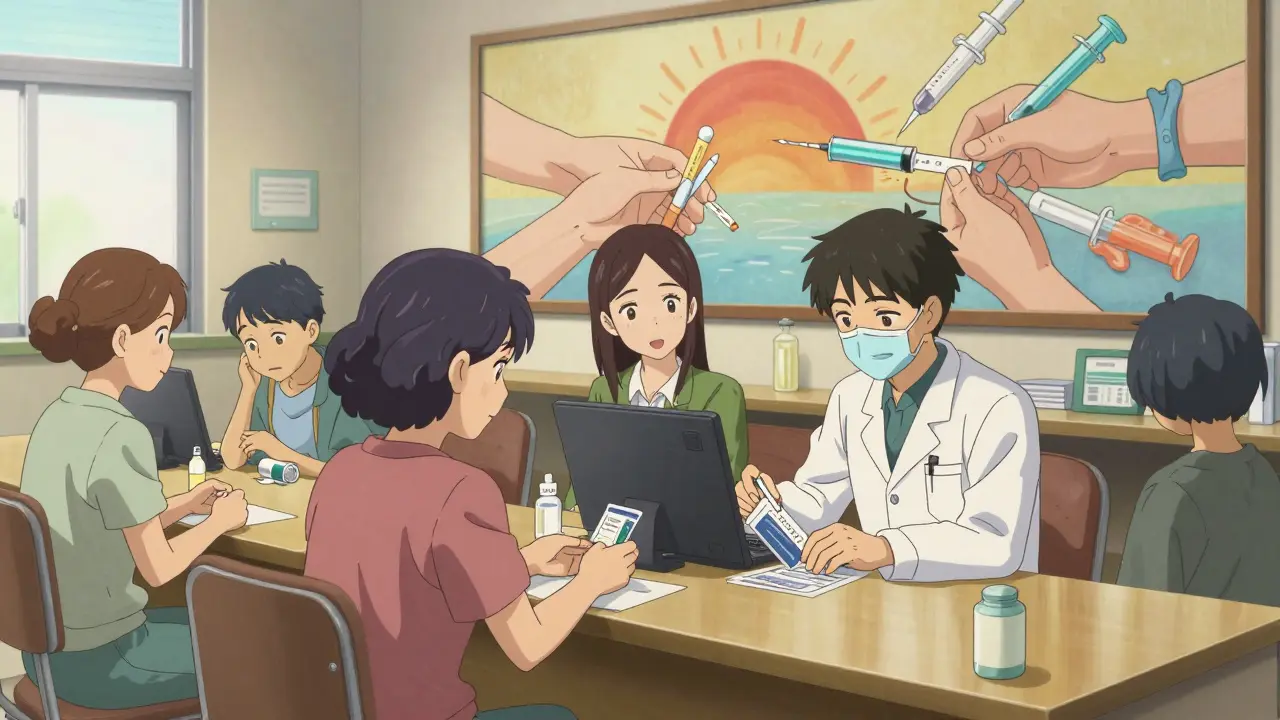
Stigma kills. It’s why 41% of people with substance use disorders don’t seek help. It’s why families stay silent. It’s why people hide their drug use. But recovery isn’t a moral failure. It’s a medical condition.Language matters. Say “person with a substance use disorder,” not “addict.” Say “used drugs,” not “abused drugs.” Say “overdose prevention,” not “drug problem.” Words shape how we see people-and how they see themselves.
If you’re a friend, family member, or coworker, offer support without judgment. Ask: “Do you have naloxone?” “Have you thought about MAT?” “Can I help you find a clinic?” You don’t need to fix them. You just need to be someone they can trust.
What About Xylazine? It’s Not Reversible
A new threat is showing up: xylazine, a horse tranquilizer. It’s not an opioid. Naloxone doesn’t work on it. But it’s being mixed into fentanyl to stretch supply. It causes severe skin wounds, slow heart rate, and deep sedation.There’s no antidote yet. But you can still protect yourself:
- Test your drugs-even if you think you know what’s in them.
- Use smaller amounts.
- Have someone with you.
- Call 911 immediately if someone is unresponsive, even if naloxone doesn’t work.
Hospitals are learning how to treat xylazine overdoses. But prevention is still the best tool.
Where to Get Help Right Now
You don’t have to wait. Help is available:- Naloxone: Available over the counter at CVS, Walgreens, and most pharmacies. Free at local harm reduction centers.
- Fentanyl test strips: Free at needle exchanges, community health clinics, and online through organizations like DanceSafe or The Loop.
- Medication-Assisted Treatment: Call SAMHSA’s helpline at 1-800-662-HELP (4357) to find a provider near you.
- Never Use Alone: Dial 1-800-484-3731 before using.
- MyNarcan app: Free app that shows nearby naloxone locations and guides you through overdose response.
Some states have laws that protect people who call 911 during an overdose. You won’t get arrested for possessing drugs if you’re seeking help. That’s the law. Use it.
It’s Not Hopeless
The overdose crisis feels overwhelming. But change is happening. Federal funding for overdose prevention jumped from $100 million in 2016 to $1.5 billion in 2023. New tools like nalmefene-a longer-lasting overdose reversal drug-are now approved. More people are carrying naloxone. More doctors are prescribing buprenorphine.And every time someone uses a test strip, carries naloxone, calls the hotline, or asks for treatment-they’re changing the outcome. You don’t need to be a hero. You just need to care enough to act.
Overdose doesn’t have to be the end. With the right tools, it can be the beginning of recovery.

15 Comments
I’ve carried naloxone in my pocket for two years now. First time I used it, my buddy was blue and not breathing. I didn’t even think-I just sprayed. He woke up coughing, looked at me like I was a ghost, and said ‘I’m sorry.’ We didn’t talk about it for weeks. But he got into buprenorphine last month. That spray saved his life. Not mine. His. And I didn’t even need to be a hero.
ok but like… why are we giving out free narcan to people who keep doing drugs? like, isn’t that just enabling? i mean, if you’re dumb enough to take a pill you got off the street, maybe you deserve what happens. also fentanyl isn’t even real-i heard it’s a hoax made by the gov to scare people into taking methadone. lol
Okay, but… isn’t this just… capitalism’s way of making us feel better about not fixing anything? Like, we’re giving out test strips and narcan, but no one’s talking about why people are using in the first place? Trauma? Poverty? The fact that our healthcare system treats addiction like a moral failing? I mean… we’re just band-aiding the apocalypse.
thank you for this. i cried reading it. 🥹 my brother died last year from a fake oxycodone. he never knew what he was taking. i got him naloxone two weeks before… he didn’t use it. i wish i’d pushed harder. now i carry two. always. 🫂
Just wanted to say-my cousin started buprenorphine last year. She’s working again. Got her license back. Started volunteering at a harm reduction center. She’s not ‘cured.’ But she’s alive. And that’s more than most people get.
It is imperative to underscore that the provision of naloxone, while commendable, does not constitute a systemic solution to the structural underpinnings of substance use disorders. The commodification of harm reduction, while pragmatic, risks depoliticizing the crisis. One must interrogate the socio-economic determinants that render individuals vulnerable to polysubstance exposure, particularly within marginalized communities. Access to medication-assisted treatment remains abysmally inadequate, and the absence of universal healthcare perpetuates inequity. We must transcend mere survival tactics and advocate for comprehensive, rights-based care.
we’re all just… trying to survive, right? like… if you’re on the street, and you’re in pain, and the only thing that lets you breathe is something you bought from a guy who doesn’t know what’s in it… what’s the alternative? i’m not saying it’s right. i’m saying it’s real. and if i can help someone not die because i handed them a test strip… then i did something. 🤷♀️
This is a dangerous normalization of drug use. We are not helping by supplying tools to continue self-destruction. We should be enforcing abstinence, not facilitating it. The state should not be in the business of handing out antidotes to those who choose to poison themselves. This is not compassion-it is moral surrender.
Correction: The DEA found that 6 out of every 10 counterfeit pills seized in 2022 contained a lethal dose of fentanyl-not ‘6 out of 10 pills,’ as some misquote. Precision matters. Also, xylazine is not a ‘new threat’-it’s been in circulation since at least 2018 in Philadelphia. This article is well-intentioned but lacks rigor.
My cousin in Delhi uses heroin. He doesn’t know what fentanyl is. No test strips there. No naloxone. No clinics. I sent him money for a flight to the US so he could get help. He said, ‘I don’t want to be fixed. I just want to not die alone.’ I cried. This post made me feel less alone.
They’re giving out narcan so they can track us. Next thing you know, your phone gets flagged, your benefits get cut, and they put you on a ‘high-risk’ list. This isn’t help-it’s a trap. And who’s behind these ‘harm reduction’ groups? Big Pharma. They want you hooked on methadone so they can keep selling you pills. Wake up.
so you’re telling me i should test my drugs… but if i find fentanyl, then what? throw it out? buy more? lol. i’m not gonna pay $20 for a pill that’s gonna kill me anyway. better to just get it from the same guy every time. at least i know his face. and if i die? well… at least i got high first.
Drugs are sin. No tool fixes sin.
My mom used to say: ‘If you’re gonna do something stupid, at least do it smart.’ So I test my stuff. I keep naloxone in my glovebox. I never use alone. I don’t preach. I don’t judge. I just… do it. And I’ve lived longer than half the people I used to know. That’s not recovery. That’s just being smart.
Just read the comment from the guy who lost his brother. I’m sorry. That’s the kind of pain that never leaves. But you’re not alone. I’ve seen people come back from that. And yeah, sometimes it takes years. But naloxone doesn’t fix the grief. It just gives you time to fix the rest.
Write a comment