
What expiration dates really mean
When you see an expiration date on your medicine, it’s not just a random date. According to the U.S. Food and Drug Administration (FDA), this date is the final day the manufacturer guarantees the drug’s full potency, safety, and purity when stored properly. The FDA requires all prescription and over-the-counter medications to have clear expiration dates, a rule that started in 1979. These dates come from rigorous testing where manufacturers check how long the medicine stays stable under different conditions.
Common expiration date formats
Expiration dates can look different depending on where you live. In the U.S., you’ll often see a month and year, like "08/23". This means the medicine expires on August 31, 2023. In the European Union, the format is day/month/year, so "15/08/23" is August 15, 2023. China uses year/month/day, so "2023-08-15" is the same date. Some labels say "Expiry", "Exp", "Use by", or "Exp date". If you see just a month and year, it always expires on the last day of that month. For example, "05/25" means May 31, 2025.
Manufacturer vs pharmacy expiration dates
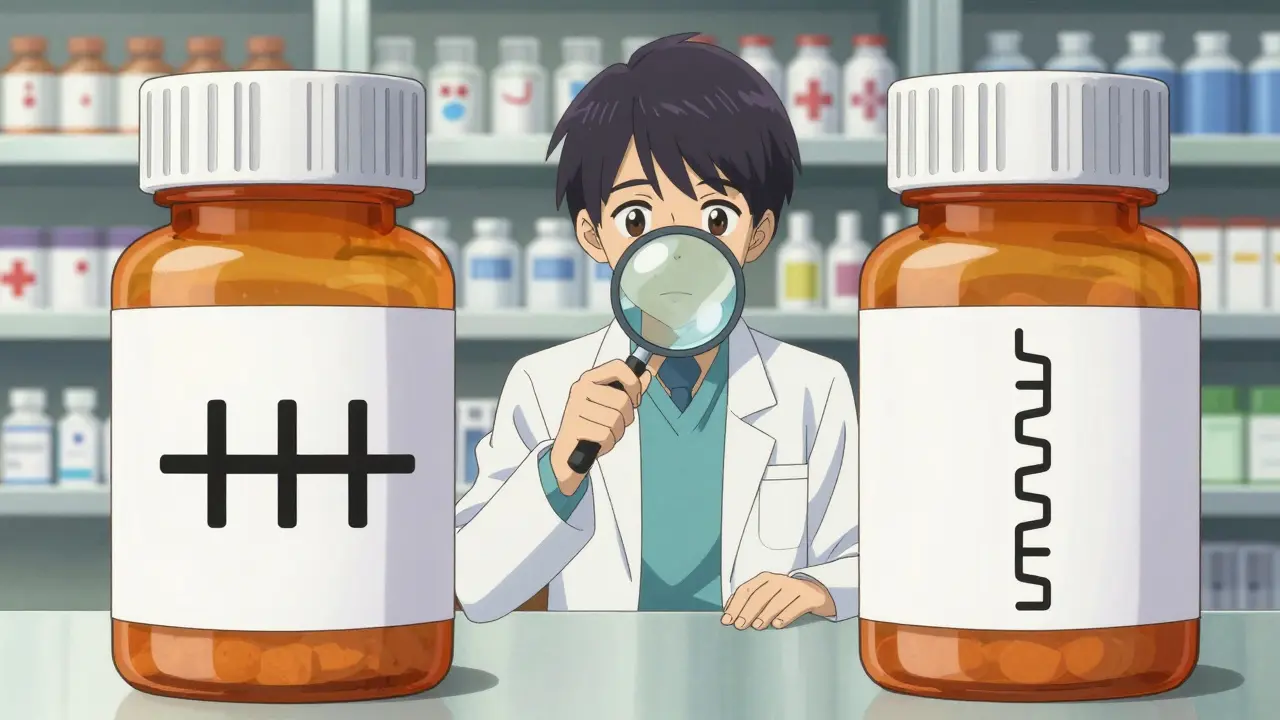
Here’s where things get tricky. The expiration date on the original manufacturer’s packaging might differ from the date on your pharmacy label. When a pharmacy fills your prescription, they often put a "discard after" or "do not use after" date. This is usually 1 year from dispensing, but some meds like antibiotic suspensions expire in just 14 days. The manufacturer’s original date might be longer, but the pharmacy sets a shorter date for safety. Always check both labels. If you’re unsure, ask your pharmacist to write the manufacturer’s expiration date on the bottle.
Medications to avoid past expiration
While most drugs stay safe past their expiration date, some can be dangerous. Insulin, birth control pills, thyroid medications, and certain antibiotics should never be used after their expiration date. Expired insulin might not control blood sugar properly, leading to serious health issues. Birth control pills can lose effectiveness, risking pregnancy. Thyroid meds might not work, causing hormone imbalances. Antibiotics that are expired could fail to treat infections, potentially leading to antibiotic resistance. The only documented case of a medication becoming harmful after expiration is Tetracycline, but that’s from old manufacturing processes no longer used today.
How storage affects expiration
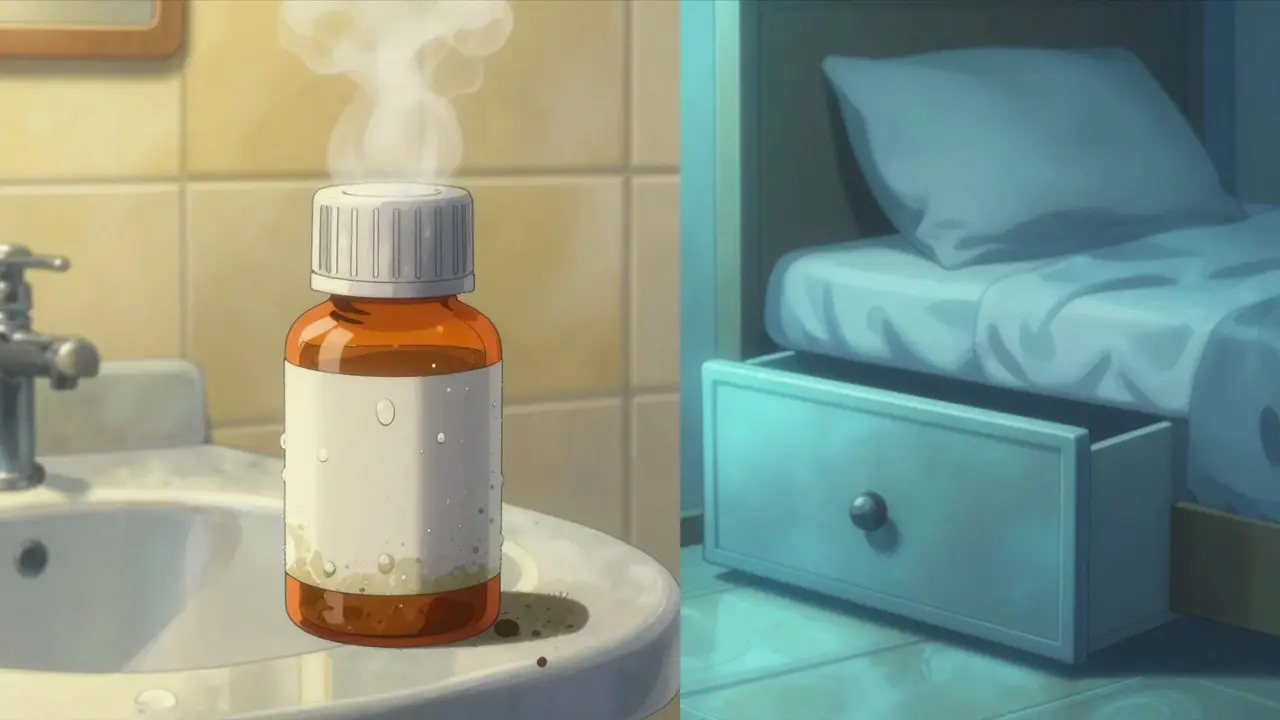
Your medicine’s environment plays a huge role. Heat, moisture, and light can make meds degrade faster than their expiration date suggests. Storing pills in the bathroom? Bad idea-the humidity there can ruin them. Keep medicines in a cool, dry place like a bedroom drawer. If a medication requires refrigeration, keep it cold. For example, insulin must be refrigerated until opened, then stored at room temperature for a few weeks. Exposure to extreme temperatures can make even fresh medicine unsafe. Always follow the storage instructions on the label.
What to do when you’re unsure
If you find an expired medicine, don’t guess. Check for visible changes like discoloration, odd smells, or clumping. If anything looks off, throw it away. For critical medications like insulin or heart meds, consult your pharmacist before using. They can test the potency or suggest alternatives. Many pharmacies offer free disposal services for expired meds. Also, keep the original packaging-it often has the manufacturer’s expiration date and lot number. In Canada, look for the Drug Identification Number (DIN) on the label to confirm it’s approved by Health Canada.
Frequently Asked Questions
Is it safe to take expired ibuprofen?
Yes, for a few months past the expiration date if stored properly. However, after years, it might lose effectiveness. If the pills are discolored or smell strange, throw them away. Always check with your pharmacist for critical medications.
What does 'Exp 05/25' mean?
'Exp 05/25' means the medication expires on May 31, 2025. Any month/year format expires on the last day of that month. So '08/23' expires August 31, 2023. This is standard in the U.S. and Canada.
Why do pharmacies have different expiration dates than the manufacturer?
Pharmacies set their own "beyond-use" dates based on when the medication is dispensed. For example, a prescription might have a manufacturer date of 3 years, but the pharmacy label says "discard after 1 year" for safety. This accounts for storage conditions after dispensing. Always follow the pharmacy’s date unless they confirm the manufacturer’s date is still valid.
Can I store medications in the bathroom?
No. Bathrooms have high humidity and temperature fluctuations, which can degrade medicines faster. Store them in a cool, dry place like a bedroom drawer. Some medications, like insulin, need refrigeration-always check the label for specific storage instructions.
What should I do with expired medications?
Never flush most medications down the toilet. Many pharmacies and police stations have take-back programs for safe disposal. The FDA also recommends mixing expired pills with coffee grounds or cat litter in a sealed bag before throwing them in the trash to prevent misuse. Always check local guidelines for proper disposal.

14 Comments
I've always found it odd that the US uses month/year without the day. Like '08/23' meaning August 31, 2023. Seems like a bit of a headache for folks who don't know the rules. But hey, it's the FDA's call. 🤷♀️
Pharmacies should just use the manufacturer's date. Why do they make it so complicated Its just a date. People need to read the labels. No one cares about your 'discard after' nonsense. Just follow the real expiration. Its so easy. I can't believe people get confused
I think the pharmacy dates are for safety, especially for things like antibiotics. But I see your point about the formats. Maybe a standard would help. Though I'm not sure if its worth the hassle. Just sharing my thoughts.
Always check the expiration date.
Different countries have different ways of writing dates. Makes sense, right? Like how the EU uses day/month/year. But the FDA's rules are pretty clear. Just need to know the format. 🤔 Maybe we should all just use ISO dates? 🌍
It's interesting how we all have different perspectives on expiration dates. Maybe it's because we're all trying to stay safe in our own ways. I agree with Lakisha about the pharmacy dates being for safety. But I wonder if there's a way to make it clearer for everyone. Just thinking out loud. 😊
I can't believe how much confusion there is about expiration dates! Its like everyone's guessing. I mean, what if someone takes expired insulin? Thats dangerous! We need to get this right. Seriously. People's lives are at stake. 😱
The potential consequences of misinterpreting expiration dates are severe.
One must exercise extreme caution.
It is imperative that all individuals adhere strictly to the guidelines provided by regulatory authorities.
There is no room for error in this matter.
This is a matter of public health and safety.
Most people think expiration dates are important, but I think they're overrated. Meds are usually safe for years after. The real issue is companies setting dates to push sales. It's all a scam. Trust me, I know.
US regulations best.
I agree with Ariel that it's simple. But sometimes people don't check labels. They should be more careful. It's not hard. Just read the date. Simple as that.
Actually, the US standards are not perfect. There's evidence that some drugs last longer. But then again, maybe not. Its complicated. People should do more research. But I'm just a pseudo-philosopher. 😂
Expiration dates... I mean, they're there for a reason. But sometimes I wonder if it's just a way for companies to make money. Like, do people really need to throw out perfectly good medicine? Probably not. But I'm too lazy to think about it more. 🤷♀️
Your observation about expiration dates being a commercial strategy is thought-provoking. However, regulatory frameworks exist to ensure safety across diverse populations. It is important to consider global health standards rather than individual convenience. A balanced perspective is necessary. 🌍
Write a comment