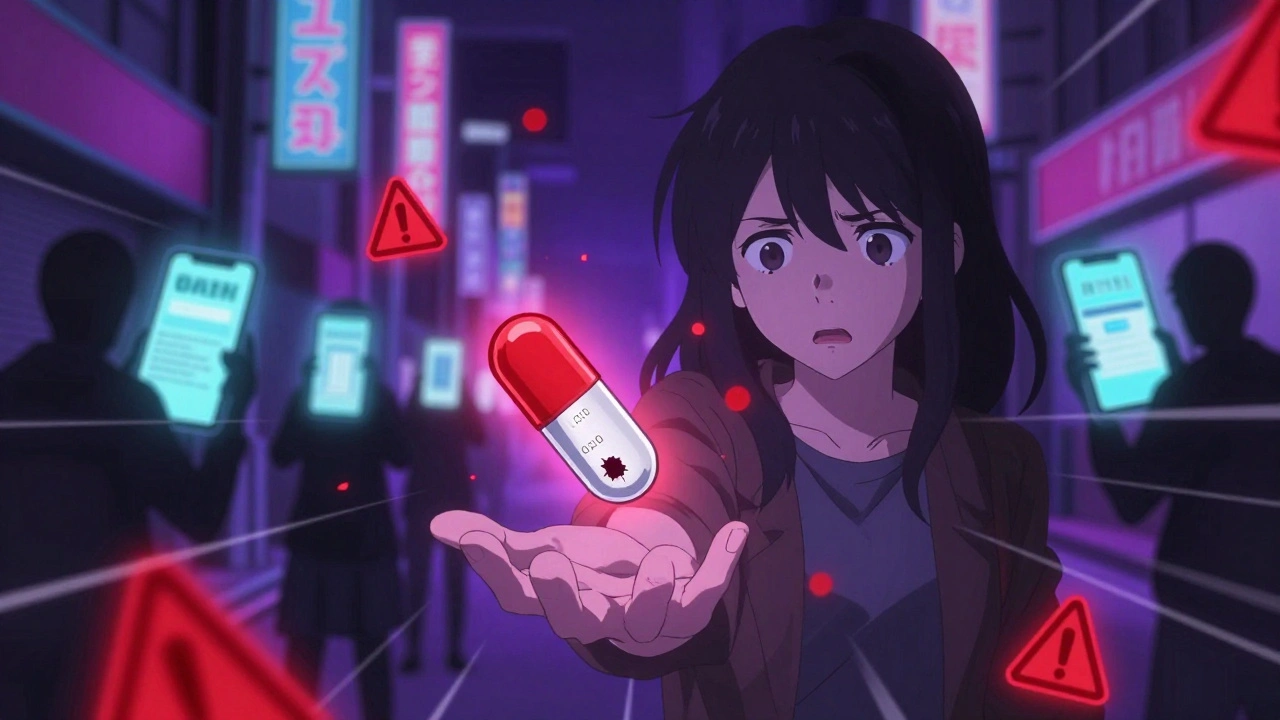
Finding a pill that looks wrong-wrong color, weird shape, packaging that doesn’t match-can be terrifying. You took it because you trusted the source. Now you’re worried it might not just be useless, but dangerous. You’re not alone. In 2022, over 1.2 million counterfeit pills were intercepted at U.S. borders alone, many containing lethal doses of fentanyl or no active ingredient at all. The good news? Reporting it can stop others from getting hurt. The even better news? It’s easier than you think-if you know where to look and what to do.
Why Reporting Matters More Than You Think
Counterfeit drugs aren’t just scams. They’re public health threats. Some contain too little of the right medicine, leaving chronic conditions untreated. Others have too much-or worse, toxic chemicals like rat poison, paint thinner, or fentanyl. The World Health Organization estimates that in some countries, nearly one in three medicines sold online are fake. Even in places like Canada and the U.S., where regulations are strict, the problem is growing. Online pharmacies that don’t require prescriptions made up 96% of those reviewed in 2022, and many are outright criminal operations. When you report a suspicious drug, you’re not just protecting yourself. You’re helping authorities trace the supply chain, shut down illegal operations, and prevent others from buying poisoned pills. The FDA received over 100,000 adverse event reports in 2022, and counterfeit drug reports were one of the fastest-growing categories. Every report adds a piece to the puzzle.What Counts as a Counterfeit Drug?
You don’t need to be a pharmacist to spot red flags. Here’s what to look for:- Spelling errors on the label or packaging
- Missing or smudged lot numbers or expiration dates
- Pills that look different than usual-wrong color, size, texture, or imprint
- Packaging that feels cheap, has loose seals, or looks printed on a home printer
- Medicine bought from a website that doesn’t ask for a prescription
- Prices that are way too low compared to your pharmacy
Step-by-Step: How to Report a Suspected Counterfeit Drug
Here’s what to do the moment you suspect a fake:- Stop using the medicine. Even if you feel fine, don’t take another dose. Store it safely in its original packaging-don’t throw it away.
- Take photos. Get clear pictures of the pill(s), the packaging, the label, the barcode, and any writing. Include a ruler or coin next to the pill for size reference.
- Write down everything. Note the drug name, strength, lot number, where you bought it (online store name, pharmacy address, social media seller), and when you bought it. If you took it and felt sick, write down symptoms and when they started.
- Call your doctor or pharmacist. They can help confirm if the medicine looks suspicious and may already be aware of a recall. They can also report it on your behalf if you’re uncomfortable doing it yourself.
- Report to the FDA. Use the MedWatch system. Go to www.fda.gov/medwatch and fill out Form 3500 online. You can also call 1-800-FDA-1088. The form asks for the details you gathered. It takes about 22 minutes to complete.
What Happens After You Report?
Once you submit your report, the FDA will review it. Electronic reports usually get an acknowledgment within 72 hours. Paper reports take up to two weeks. If your report includes photos, lot numbers, and packaging details, it’s far more likely to trigger an investigation. The FDA’s Office of Criminal Investigations opened 1,842 counterfeit drug cases in 2022. They don’t always contact you, but they do track your report. If your pill matches one from a known counterfeit batch, you might get a follow-up call. In one case, a pharmacist reported fake insulin with a clear lot number. That single report helped trace the entire distribution chain within 12 hours. You won’t always get updates. That’s frustrating, but it’s normal. Investigations can take months. But your report is still working-it’s in the system. And if others report the same product, it becomes a pattern. Patterns lead to busts.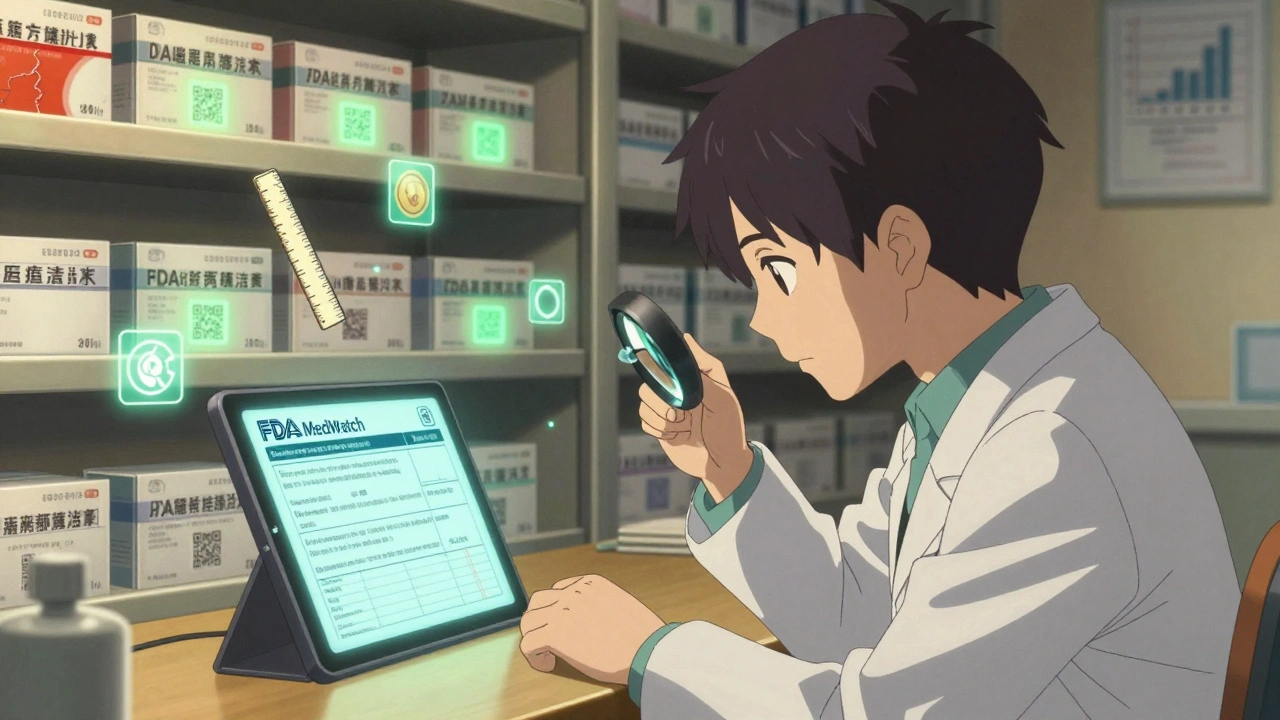
What Not to Do
Don’t:- Throw the medicine away before reporting. Evidence matters.
- Post photos on social media without reporting officially. That can alert criminals to destroy evidence.
- Wait to see if others report it. Don’t assume someone else will do it.
- Try to return it to the seller. They’re likely scammers.
- Report to the DEA unless it’s a controlled substance like Adderall or oxycodone. Even then, start with the FDA.
International Reporting Options
If you bought the drug outside the U.S. or Canada, or it was shipped from overseas, you can still report it:- World Health Organization (WHO): Their global system accepts reports from any country. Visit who.int/falsifiedmeds for their reporting portal.
- Pharmaceutical Security Institute (PSI): Works with law enforcement and pharma companies worldwide. Submit reports via email at [email protected]. They support 27 languages and respond quickly.
Who Else Can Help?
If you’re a patient, caregiver, or healthcare provider:- Pharmaceutical companies: Pfizer, Roche, and others have direct hotlines. Roche responds to authenticity checks within 24 hours. Check their official website for contact info.
- Your local pharmacy: Many have reporting protocols. Pharmacists are trained to spot fakes and can file reports for you.
- Health Canada: If you’re in Canada, report to Health Canada’s MedEffect program at canada.ca/medeffect.
Real Stories, Real Impact
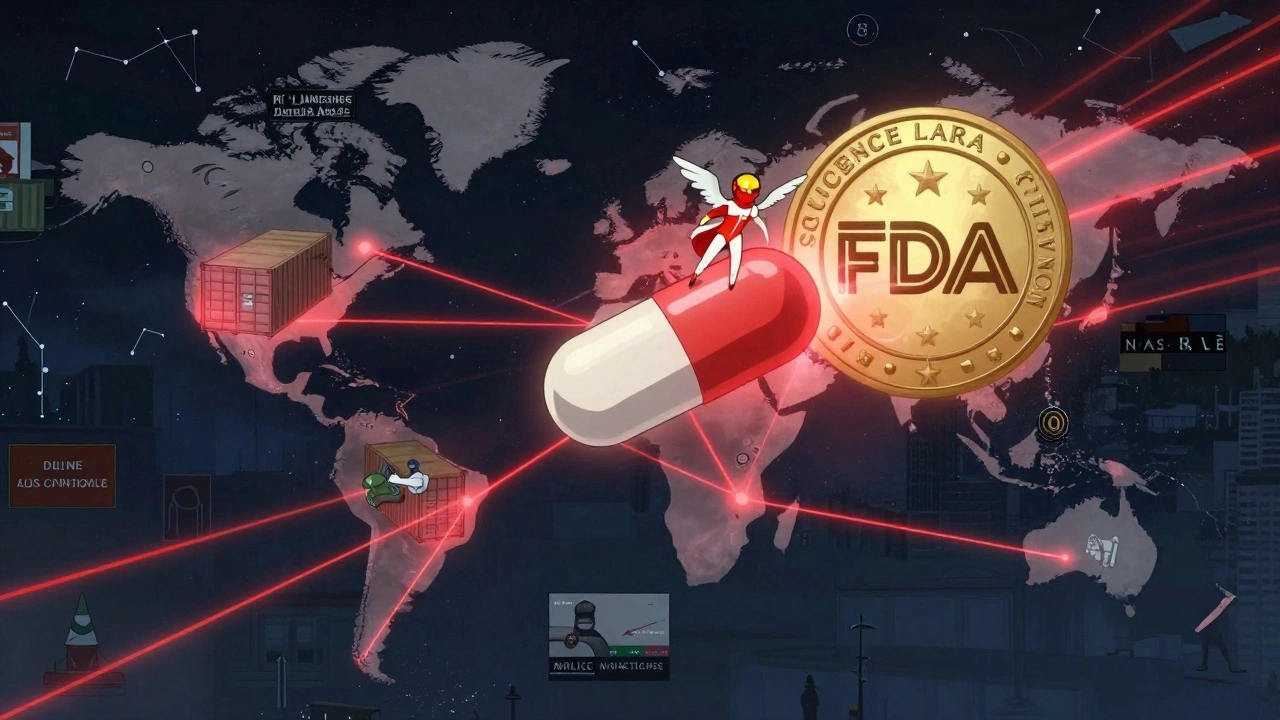
In 2022, a woman in Ohio bought “Adderall” from a Facebook ad for $1 a pill. She took one and collapsed. She survived, but her son didn’t. She reported it. The FDA traced the pills to a lab in China. The seller was arrested. That report led to the seizure of 87,000 fake pills and 11 arrests across three states. Another case involved a grandfather who noticed his blood pressure pills looked different. He took photos, called his pharmacist, and filed a MedWatch report. The FDA found the lot matched a known counterfeit batch from a shipping container seized at the Port of Los Angeles. The manufacturer had never made that drug. That report helped shut down a major smuggling ring. Your report could be the next one.What’s Changing in 2025?
The system is getting better. In 2023, the FDA started testing QR codes on medicine packaging. Scan one, and you’re taken straight to a reporting page. By 2024, more manufacturers will include them. The WHO is launching a mobile app in mid-2025 so you can snap a photo and report in under a minute. AI is also helping. The Pharmaceutical Security Institute now uses machine learning to verify counterfeit claims in under 5 hours-down from three days. That means faster action, more seizures, and fewer fake drugs reaching shelves.You’re Not Just a Consumer. You’re a Defender.
Reporting a counterfeit drug isn’t a chore. It’s an act of protection-for yourself, your family, your community. You don’t need to be an expert. You just need to care enough to act. The next time you see a suspicious pill, don’t shrug it off. Don’t assume it’s a one-off. Don’t wait for someone else to speak up. Take five minutes. Take a photo. Fill out the form. Call the number. You might not see the results right away. But someone else will live because you did.What should I do if I took a counterfeit drug and feel sick?
Call 911 or go to the nearest emergency room immediately. Then, report the drug to the FDA using MedWatch. Tell the medical staff you suspect a counterfeit medication and show them the packaging. Your medical records will help link your case to others, which strengthens the investigation.
Can I report a fake drug if I bought it online from another country?
Yes. The FDA and WHO accept reports regardless of where the drug was purchased. Include as much detail as possible: the website name, payment method, shipping address, and any communication with the seller. Even incomplete information helps track patterns in international smuggling.
Do I need to keep the fake medicine to report it?
Yes. Keep the original packaging and pills in a sealed bag. Do not open, crush, or dispose of them. Law enforcement may need to test them. If you’re asked to turn them over, you’ll be given instructions on how to safely deliver them to authorities.
Will I get in trouble if I bought a counterfeit drug?
No. Reporting counterfeit drugs is protected. Authorities understand people are tricked into buying fake medicine, especially when prices are low or the seller seems legitimate. Your report is treated as a public health concern, not a legal violation.
How long does it take for a report to lead to action?
It varies. Simple reports with clear evidence can trigger an investigation in under 48 hours. Complex cases involving international shipping may take weeks or months. But every report is logged and cross-referenced with others. Multiple reports on the same product are what lead to raids and arrests.
Is it worth reporting if I only have one pill?
Absolutely. One pill can be enough to identify a batch. The FDA has shut down major operations based on a single reported pill with a traceable lot number. Your report could be the first clue in a much larger case.
What if I’m not sure if it’s fake?
Report it anyway. The FDA and WHO don’t require proof-just suspicion. Their teams are trained to verify authenticity. If it turns out to be legitimate, they’ll let you know. But if it’s fake, your report could save a life. Better safe than sorry.

12 Comments
Yeah right, like the FDA actually gives a damn about some random pill some guy found on Instagram. They’re too busy chasing TikTok influencers who say ‘vitamins cure cancer’ to care about real poison. You think they’re gonna shut down a Chinese lab because you took 22 minutes to fill out a form? Please. The system’s broken, and you’re just feeding it more data so it can pretend it’s doing something.
Have you ever considered that this whole ‘counterfeit drug’ thing is a government psyop to make people trust Big Pharma more? I mean, who really benefits from scare stories about fentanyl-laced pills? The same companies that charge $1,200 for insulin and then donate ‘safety kits’ to pharmacies. The FDA’s ‘MedWatch’ form? It’s a data harvest. They’re not saving lives-they’re building profiles. I’ve seen the patterns. They track who reports, then target them with ‘urgent’ medication ads later. It’s not paranoia. It’s arithmetic.
There’s something deeply human about this. We’re taught to trust institutions-doctors, pharmacies, labels-and then we’re left alone when that trust is violated. Reporting isn’t just bureaucratic duty; it’s an act of reclaiming agency in a world that’s been engineered to make us feel powerless. But here’s the quiet truth: most people won’t report because they’re afraid of being wrong. Of looking foolish. Of wasting their time. And yet, someone has to be the one who says ‘this doesn’t feel right.’ That’s not just responsibility-it’s courage. The system might be slow, but it’s made of people. And people respond to patterns. Your one pill? It’s a voice. Don’t silence it.
Oh my god, I just read this and I’m crying. Not because I’m dramatic-but because I’ve been there. My mom took fake blood pressure meds for six months. She thought the website looked legit. The pills were the same color, same size, even the bottle had the same font. She didn’t even know she was sick until she collapsed. We reported it. The FDA never called back. But six months later, they shut down a warehouse in New Jersey with 200,000 fake pills. And guess what? One of them had her lot number. I don’t care if no one thanks you. You did something real. That matters. More than likes. More than shares. More than ‘I told you so.’
OMG I JUST TOOK A PILLS FROM A WEBSITE AND IT LOOKED WEIRD 😭😭😭 I TOOK A PIC AND I'M GONNA REPORT IT RN I HOPE I DON'T DIE I'M SO SCARED BUT ALSO SO MAD WHY IS THIS EVEN A THING??? 🤬💊 #counterfeitdrugs #fentanyl #saveus
Just want to add if you're on Medicaid or Medicare, call your case manager. They can file the report for you and even help you get replacement meds free. Also, if you bought it from a social media seller, screenshot the whole thread-messages, payment receipt, profile. That stuff matters more than you think. And don't wait. Even if you feel fine, the damage can be delayed. I'm a nurse. I've seen it. One pill can wreck your liver. Don't gamble.
bro i just found a bottle of my anxiety meds that looked kinda off and i was like ‘nah this is fine’ but then i read this and i was like… wait. i took two already. i took photos, put em in a ziplock, called my doc, and filed the medwatch thing. it took 18 mins. no big deal. but if i die tomorrow? at least i did something. also i found out the seller was using a fake domain that expired in 2021. how is that even legal???
Wow. So you’re saying the government cares? 😏 Maybe next they’ll fix the bus schedule. But hey, if reporting fake pills makes you feel like a hero, go for it. I’ll be over here, buying my meds from the guy who sells them out of his van at the gas station. At least he gives me a discount and remembers my name. Who needs the FDA when you’ve got community?
Actually, in India, we have a system called CDSCO which is similar to FDA but even more underfunded. But I have personally reported 3 fake medicines in last 2 years. One was a fake Viagra sold in a local pharmacy in Jaipur. I took photo, called CDSCO helpline, they came within 48 hours and raided the shop. They arrested the owner. But here’s the twist: the same guy reopened shop next week under different name. So reporting is not enough. You need public awareness. You need to post on local WhatsApp groups. You need to tell your neighbors. Otherwise, it’s like pouring water in desert. And don’t trust online pharmacies even if they have ‘.in’ domain. Most are fake. Even the ones with SSL certificates. I know because I work in IT. The certificates are bought for $5. So report, yes. But also educate. Otherwise, you’re just a drop in the ocean.
My uncle died from fake antibiotics. We never knew until the hospital told us. I wish we had known to report. Now I tell everyone I know. If you see something weird, don’t wait. Don’t think ‘it’s just one pill.’ One pill is enough to kill someone else’s mom. Just take a pic. Call the number. It takes less time than scrolling TikTok. And you might save a life. That’s all.
One must question the epistemological foundations of the FDA’s MedWatch protocol. The very act of reporting presupposes the legitimacy of state-sanctioned pharmaceutical oversight-a system predicated on commodified health and regulatory capture. One does not ‘report’ a counterfeit pill; one participates in the ritualistic reaffirmation of a carceral medical-industrial complex. The real counterfeit is the illusion of safety. The pill is merely a symptom. The disease is systemic. To file a form is to become complicit.
It is profoundly irresponsible to encourage laypersons to report suspected pharmaceutical anomalies without first ensuring they possess the requisite scientific literacy to discern authenticity. This piece is dangerously reductive. The FDA does not operate on ‘gut feelings’ or ‘misspellings.’ It operates on validated analytical chemistry, batch traceability, and forensic pharmacology. To suggest that a layperson’s visual inspection is meaningful is not just misleading-it is ethically negligent. One must not confuse vigilance with amateurism. This article, while well-intentioned, is a public health hazard disguised as guidance.
Write a comment