More people are traveling abroad for medical care than ever before. Why? Cost, speed, and access to treatments not available at home. A knee replacement in the U.S. might cost $50,000. In Thailand, it’s under $15,000. A hair transplant in Turkey costs a fraction of what it does in Germany. These savings are real. But behind the deals and discounts lies a hidden risk: medication safety.
You get your surgery, your recovery goes well, and you head home. Then, two weeks later, you start feeling off. Your doctor asks what medications you’re on. You can’t remember the names. The prescription from abroad doesn’t match anything in your home country’s system. The pill you were told to take daily isn’t even approved where you live. This isn’t rare. It’s happening to thousands every year.
Why Medication Safety Gets Ignored
Medical tourism websites sell packages: surgery, hotel, airport pickup. They highlight savings, accreditations, and success rates. But rarely do they explain what happens to your meds after you leave. Why? Because it’s complicated. And no one wants to scare you off.
The World Health Organization estimates that 1 in 10 medical products in developing countries are substandard or fake. That includes pills, injections, even IV fluids. You might get a perfectly manufactured drug in a JCI-accredited hospital in Bangkok. But if you’re prescribed something from a local pharmacy outside the hospital, you have no way of knowing if it’s real. And even if it is, does your home country recognize it? Will your pharmacist fill it? Will your insurance cover it?
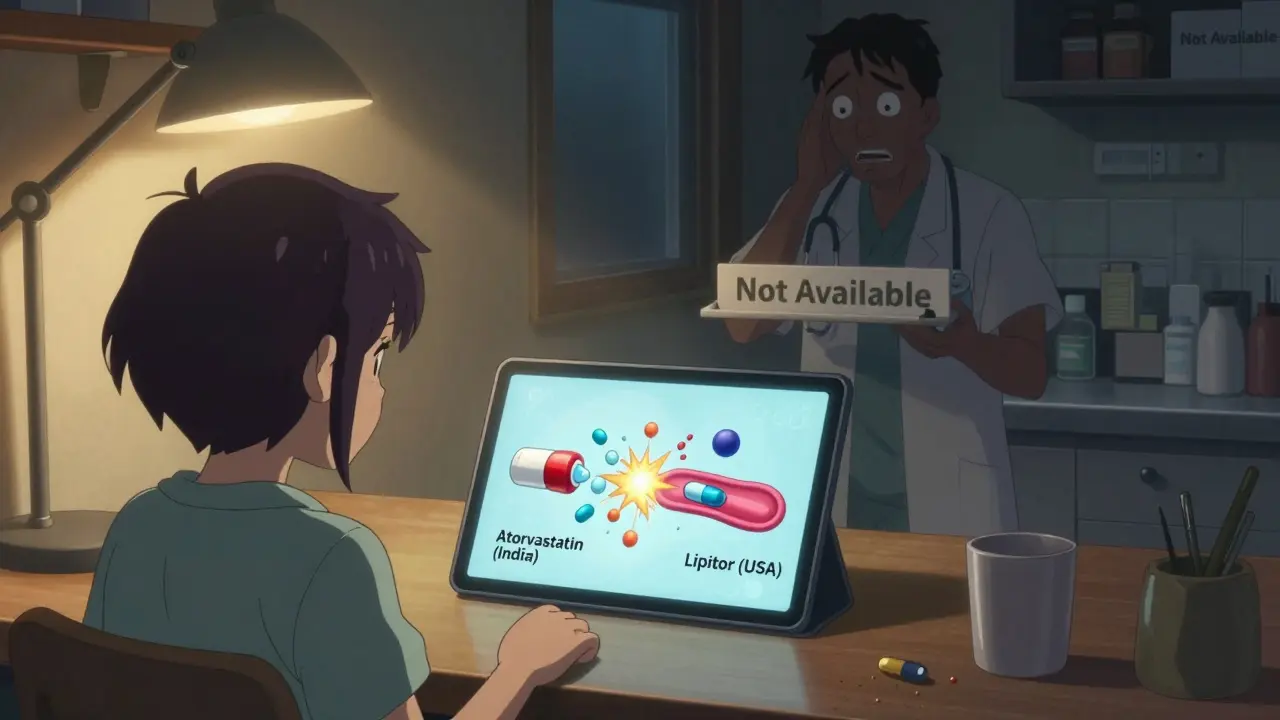
Take this example: A patient from Canada gets a hip replacement in India. The hospital prescribes a specific anti-inflammatory and blood thinner. Back home, the Canadian pharmacist says, "We don’t carry that brand. It’s not approved here." The doctor says, "We can switch you to something else." But the replacement drug interacts dangerously with another medication the patient is already taking for diabetes. A simple mix-up. No one thought to check.
How Medication Rules Vary Around the World
Every country has its own drug approval system. The U.S. FDA, the EU’s EMA, and India’s CDSCO don’t always agree on what’s safe. A drug banned in the U.S. because of heart risks might be widely used in Mexico. A medication considered essential in South Korea might be classified as experimental in Australia.
Here’s what that means for you:
- Brand names differ. A drug called "Lipitor" in the U.S. might be sold as "Atorvastatin" elsewhere - same active ingredient, different packaging, different instructions.
- Dosages vary. A tablet might be 10mg in Germany but 25mg in the Philippines. Taking the wrong dose can be dangerous.
- Formulations change. Some countries use extended-release versions. Others use immediate-release. Switching without guidance can cause overdose or under-treatment.
- Availability gaps. You might be sent home with a medication that doesn’t exist in your country. Your doctor can’t refill it. You’re stuck.
Even within popular medical tourism destinations, standards aren’t equal. Turkey has strong EU-aligned regulations. Thailand has over 100 JCI-accredited hospitals that follow strict drug handling protocols. But clinics in Cambodia, Nicaragua, or even some parts of Mexico? No oversight. No audits. No transparency.
What Happens When You Get Home
Most patients don’t realize how hard it is to continue treatment after returning home. You might have been on a complex regimen abroad - three new drugs, timed doses, special storage. Back home, your doctor has never seen these medications. Your pharmacy doesn’t stock them. Your insurance won’t cover them.
DelveInsight found that 26% of medical tourists face follow-up care issues. Medication mismanagement is a big part of that. Patients report:
- Being told to stop a drug they were told to take for months
- Getting a substitute that causes side effects they weren’t warned about
- Missing doses because the medication wasn’t available
- Accidentally doubling up because they didn’t know the foreign drug was the same as one they already took
And it’s not just prescription drugs. Wellness tourism is booming. People go for IV vitamin drips, stem cell therapies, herbal supplements. These aren’t regulated like pharmaceuticals. One clinic in Tijuana might sell a "detox" IV with ingredients banned in the U.S. Another in Bali might give you a supplement made from untested plant extracts. No one checks. No one tracks.
How to Protect Yourself
You can’t avoid all risk. But you can reduce it dramatically with three simple steps.
1. Talk to Your Doctor Before You Go
Don’t wait until you’re back. Schedule a pre-travel consult with your primary care provider or pharmacist. Bring:
- A list of all medications you currently take
- The name of the procedure you’re getting
- The name of the hospital or clinic you’re using
Ask: "What medications will I likely be prescribed? Are they available here? Will they interact with what I’m already taking?" Your doctor might be able to get you a supply of the same drug before you leave - or write a letter for the foreign provider to use.
2. Get Everything in Writing
Before you leave the foreign hospital, ask for:
- A printed copy of all prescriptions - with generic names, dosages, and frequencies
- The manufacturer and country of origin for each medication
- A summary of your treatment plan, including how long to take each drug
Request this in English. If they say no, walk away. A reputable facility will provide this without hesitation. If they’re pushing you to buy meds on-site, be suspicious. That’s a red flag.
3. Plan Your Post-Trip Care
Don’t assume your home doctor will know what to do. Set up a follow-up appointment within 7-10 days of returning. Bring all your medication records. Ask your pharmacist to cross-check everything. If a drug isn’t available, ask for a therapeutic equivalent - not just "something similar."
Some clinics now offer digital health records and telemedicine follow-ups. Ask if they’ll coordinate with your home provider. If they say yes, that’s a good sign. If they say, "You’re on your own," reconsider your choice.
What to Look For in a Provider
Not all clinics are created equal. Accreditation helps - but not all accreditations are equal.
- Joint Commission International (JCI): This is the gold standard. JCI-accredited hospitals must follow strict medication safety protocols - storage, labeling, dispensing, and documentation.
- ISO 9001: This is about quality management. It’s good, but doesn’t guarantee drug safety.
- Local certifications: Many countries have their own. Check if they’re recognized internationally. If you can’t find info online, don’t trust it.
Also, check if the hospital sources its drugs from reputable manufacturers. Ask: "Are your medications imported from the U.S., EU, or other regulated markets?" If they say "We make them here," that’s a warning.
The Bottom Line
Medical tourism isn’t inherently dangerous. But treating it like a vacation is. You wouldn’t skip a pre-travel vaccine for a trip to Bali. Why skip the same prep for a surgery that changes your life?
The savings are real. The care can be excellent. But if you don’t plan for what happens after you leave the hospital, you’re putting yourself at risk. Medication safety isn’t a footnote. It’s the most critical part of your journey.
Don’t let cost blind you. Don’t let convenience override caution. A $10,000 surgery isn’t worth a $100,000 hospital bill back home - or worse, permanent damage from a drug interaction no one saw coming.

13 Comments
So I got my hip done in India last year and honestly? The meds were a nightmare. They gave me this pill called 'Aceclofenac' - never heard of it. Back home, my pharmacist looked at it like I’d brought in alien tech. Took two weeks to get a proper substitute. Don’t just trust the brochure - ask for the generic name, not the brand. And get everything printed. I printed 12 pages. Worth it.
OMG YES. I went to Thailand for a knee replacement 😭 They gave me this 'Dextropropoxyphene' thing - turns out it's BANNED in the US. I almost OD’d because my doc didn’t know what it was. Now I carry a laminated card with all my meds and their generic names. Also, I put emojis on it. 🚨💊🩺 #NeverAgain
Of course this happens. People treat medical tourism like a Black Friday sale. No one thinks to verify drug approval status. It’s not ignorance - it’s arrogance. And now we’re paying for it in ER visits.
Man, I’ve seen this too. My cousin went to Mexico for a dental implant. Came home with a 'natural supplement' for swelling - turned out to be a banned herb. Her liver spiked. She’s fine now, but it took three months. Just… ask questions. Always. No shame in being thorough.
This is all part of the globalist pharmaceutical conspiracy. The FDA doesn’t want you to know about cheaper alternatives because they’re paid off by Big Pharma. Meanwhile, real medicine is being suppressed so you keep paying $50K for a knee replacement. Wake up. They’re poisoning you with unapproved drugs to keep you dependent.
Why are we even talking about this? If you can’t afford surgery here, maybe don’t get it done. We’ve got a healthcare system. Use it. Stop outsourcing your problems to countries with no rules. This isn’t a vacation. It’s a gamble.
One sentence: You think you’re saving money. You’re just delaying a medical disaster.
I love how this post doesn’t just scare people - it gives real solutions. Talking to your doctor before you go? Getting things in writing? That’s not paranoia - that’s wisdom. We treat travel like a checklist, but your body isn’t a suitcase. Treat it like the sacred thing it is. You’re worth the extra effort.
Let me guess - the next thing you’ll say is that we should let India regulate our drugs. Because obviously, a country with 1.4 billion people and zero oversight is more trustworthy than the FDA. This isn’t globalization. It’s negligence dressed up as 'affordability.'
As someone from India, I’m offended. Yes, there are bad clinics - but we have over 100 JCI-accredited hospitals. Our pharmaceutical industry is one of the largest in the world. We export medicines to the US and EU. You’re generalizing because you don’t understand our system. Not every hospital is a back-alley clinic.
My wife got her spine surgery in Costa Rica. They gave her a full printed med plan in English. She even got a QR code linking to the manufacturer’s site. We scheduled a telehealth check-in with her doctor back home - they coordinated directly. It was smooth. The key? Choosing the right place. Not all places are sketchy. Do your homework. It’s not hard.
I went to Thailand for a knee replacement and the whole process was smooth. The hospital had German equipment and US-trained staff. They used imported meds from Germany. I had no issues. Maybe the problem isn't medical tourism - it's people picking random clinics on Facebook ads.
you think this is bad? wait till you find out the FDA is letting china make all our pills. theyre putting rat poison in the blue ones. i saw a video. its real. dont trust anything. just stay home. or better yet - move to alaska. at least there its cold and clean
Write a comment