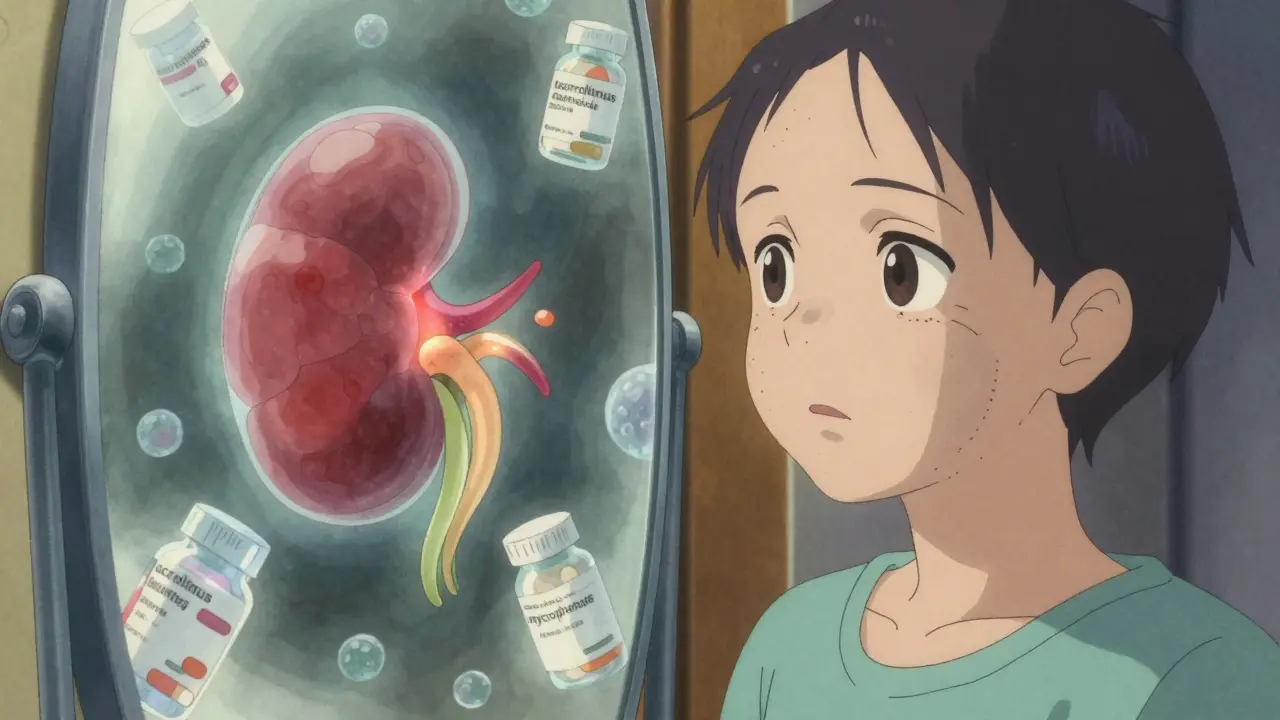
When someone gets a new organ, it’s not just a second chance at life-it’s a daily balancing act between keeping the organ alive and keeping the body from falling apart. Immunosuppressant drugs are the price of that second chance. They stop the immune system from attacking the transplant like an invader. But these drugs don’t just target the bad cells. They weaken the whole defense system, leaving patients vulnerable to infections, cancers, and a long list of side effects that can change how you look, feel, and live.
How Immunosuppressants Work-and Why They’re Necessary
Without immunosuppressants, your body would reject a transplanted kidney, liver, or heart almost immediately. The immune system doesn’t know the difference between a donated organ and a virus. It sees foreign tissue and goes to war. That’s why transplant recipients need drugs that deliberately shut down parts of their immune response. The most common combo? A triple therapy: a calcineurin inhibitor (like tacrolimus), an antimetabolite (like mycophenolate), and a steroid (like prednisone). This mix has been the standard for decades because it works.
Tacrolimus, used in over 90% of U.S. kidney transplants, blocks T-cells from activating. Mycophenolate stops immune cells from multiplying. Prednisone drowns inflammation in a chemical blanket. Together, they keep the organ alive. But they also stop your body from fighting off colds, flu, or even skin cancer. The trade-off is brutal, but necessary. There’s no way around it-except for a tiny fraction of identical twin transplants. For everyone else, these drugs are lifelong.
Drug Interactions: The Hidden Danger
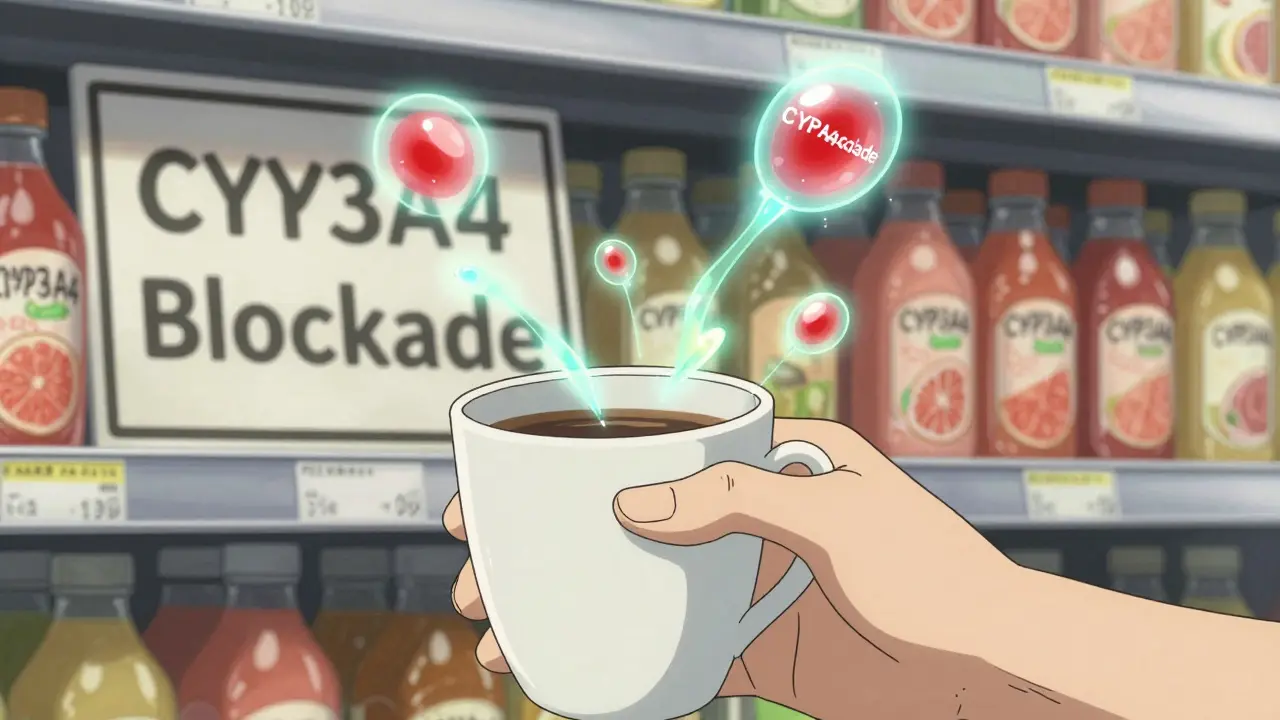
Most transplant patients take 8 to 12 pills a day. Add in medications for blood pressure, cholesterol, or infections, and the risk of dangerous interactions skyrockets. The biggest problem? Tacrolimus and cyclosporine are processed by the same liver enzyme system (CYP3A4) that handles about a third of all prescription drugs. A simple change-like starting an antifungal for athlete’s foot-can spike tacrolimus levels by 150%. That can cause kidney damage, seizures, or even death.
On the flip side, antibiotics like rifampin can crash tacrolimus levels by 90%. If your levels drop too low, your body starts attacking the transplant. Acute rejection can happen fast. That’s why blood tests aren’t optional. Patients get their tacrolimus levels checked twice a week right after transplant, then weekly, then monthly. Missing a test isn’t just risky-it’s dangerous.
Even over-the-counter stuff matters. St. John’s wort, grapefruit juice, and some antacids can throw off drug levels. One patient in Toronto stopped taking grapefruit juice after her transplant nurse told her it could kill her tacrolimus levels. She didn’t realize it was in her morning smoothie. A month later, her kidney function dropped 30%. Simple changes can have life-altering consequences.
Common Side Effects-and How They Shape Daily Life
The side effects aren’t just numbers on a chart. They’re real, visible, and exhausting.
- Weight gain and moon face: Prednisone causes fat to redistribute. Patients report puffy cheeks, a thickened neck, and a belly that sticks out even when they’re not eating more. One heart transplant recipient described looking in the mirror and not recognizing herself. It’s not vanity-it’s identity loss.
- Diabetes: One in five kidney transplant patients develops new-onset diabetes after transplant (NODAT). Tacrolimus is especially bad for this. Blood sugar monitoring becomes part of daily life. Some need insulin. Others cut carbs and exercise harder just to stay stable.
- High blood pressure and cholesterol: Over 75% of transplant patients have hypertension. Nearly two-thirds have high cholesterol. These aren’t just numbers-they’re ticking time bombs for heart attacks and strokes.
- Gastrointestinal issues: Mycophenolate causes diarrhea in one-third of users. Nausea, vomiting, and stomach pain are common. Some patients lose 20 pounds in the first few months. Others can’t eat without pain.
- Tremors and headaches: Tacrolimus can cause shaky hands, trouble holding a cup, or difficulty typing. Some patients stop working because they can’t hold a pen steady.
- Infections: A simple cold can turn into pneumonia. Shingles, CMV, and even common colds can be life-threatening. Patients wear masks in grocery stores. They avoid crowds. They skip family gatherings during flu season.
One Reddit user, u/KidneyWarrior, wrote: "I have tremors so bad I can’t button my shirt. I have diabetes, high blood pressure, and a constant fear of infection. But if I stop my meds, I die. So I live with all of it. Every day."
Long-Term Risks: Cancer and Organ Damage
The biggest fear isn’t rejection-it’s cancer. Immunosuppressants lower your body’s ability to detect and kill abnormal cells. Skin cancer is the most common. One in four liver transplant recipients will develop nonmelanoma skin cancer. That’s 10 times higher than the general population. HPV-related cancers-like throat and cervical cancer-happen 100 times more often. Regular skin checks aren’t optional. They’re survival.
Kidney damage is another silent killer. Calcineurin inhibitors like tacrolimus slowly scar the kidneys over time. By five years, 65% of transplant biopsies show signs of chronic damage. That’s why doctors are shifting toward lower doses and alternatives. Some patients switch to sirolimus, which is gentler on the kidneys but causes mouth sores and high cholesterol. One liver transplant patient switched and saw his kidney function improve from 38 to 52 mL/min. But he now deals with mouth ulcers every week and takes three pills for cholesterol.
Long-term steroid use leads to bone loss. One in three transplant patients develops osteoporosis. Hip fractures are common by age 60. Many need yearly bone scans and bisphosphonate infusions. Some can’t walk without pain.

Managing the Unmanageable
There’s no perfect solution. But there are better ways to cope.
- Adherence is everything. Skipping a dose increases rejection risk by 22%. Electronic pill dispensers with alarms improve adherence from 72% to 89%. Some patients use phone apps that buzz at 7 a.m. and 7 p.m. to remind them.
- Early steroid withdrawal. Many centers now stop prednisone within two weeks for low-risk patients. This cuts weight gain, diabetes, and bone loss by 35-40%.
- Monitoring is non-negotiable. Monthly blood counts. Quarterly cholesterol checks. Biannual glucose tests. Skipping these means you’re flying blind.
- Communication matters. Don’t hide side effects. If your hands shake, say so. If you can’t sleep, tell your team. If you’re depressed, ask for help. One transplant center in Halifax found that patients who talked openly about side effects had 40% fewer hospital visits.
There’s also new hope. In 2023, the FDA approved voclosporin, a newer calcineurin inhibitor with less kidney damage. In 2024, belatacept showed fewer heart attacks and cancers over seven years. And researchers are testing T-cell therapies that might one day let patients stop immunosuppressants entirely. One study found 15% of kidney recipients achieved "operational tolerance"-meaning their bodies accepted the organ without drugs. It’s not common yet. But it’s real.
The Reality: A Life on the Edge
Transplant recipients live longer than they would without the organ. But they don’t live as long as healthy people their age. Ten-year survival? 65% for kidney recipients. For someone in the same age group without a transplant? 85%. That gap isn’t shrinking. Why? Because the drugs that save the organ also damage the body.
There’s no sugarcoating it. Life after transplant is messy. It’s pills. It’s blood tests. It’s fear. It’s fatigue. It’s a face you don’t recognize. But it’s also life. It’s seeing your grandkids grow up. It’s going to the beach. It’s waking up without dialysis.
The goal isn’t perfection. It’s balance. And that balance is different for everyone. Some can’t handle tremors. Others can’t live with diabetes. Some trade one side effect for another. The key is knowing your options-and talking to your team. Because the right combination isn’t just about science. It’s about your life.
Can I stop taking immunosuppressants after a few years?
No, not unless you’re part of a rare clinical trial. For over 99% of transplant recipients, immunosuppressants are lifelong. Stopping them-even for a few days-can trigger organ rejection, which often leads to organ failure and death. There are a handful of cases where patients achieved tolerance (their body accepts the organ without drugs), but this only happens in under 2% of cases and requires years of careful monitoring. Don’t ever stop your meds without your transplant team’s approval.
Why is grapefruit juice dangerous after a transplant?
Grapefruit juice blocks the liver enzyme CYP3A4, which breaks down drugs like tacrolimus and cyclosporine. When that enzyme is blocked, drug levels spike dangerously high. A single glass can raise tacrolimus levels by 50-100%, increasing the risk of kidney damage, seizures, or even death. Even small amounts matter. Most transplant centers ban grapefruit and Seville oranges entirely.
Do all transplant patients get diabetes?
No, but it’s common. About 20-30% of kidney transplant recipients develop new-onset diabetes after transplant (NODAT), especially if they’re on tacrolimus, are overweight, or have a family history of diabetes. It’s not guaranteed, but it’s common enough that all patients get screened regularly. Lifestyle changes and sometimes medication can manage it, but it’s a lifelong condition.
Is there a safer alternative to tacrolimus?
Yes, but with trade-offs. Sirolimus and everolimus (mTOR inhibitors) are gentler on the kidneys and reduce cancer risk. But they cause mouth sores, high cholesterol, and slow wound healing. Belatacept, a newer drug, lowers heart disease and cancer risk but has higher rejection rates early on. The "best" drug depends on your health, age, and side effect tolerance. Your transplant team picks based on your personal risk profile-not a one-size-fits-all approach.
How can I reduce the risk of infections?
Avoid raw foods (like sushi, undercooked meat, or unpasteurized cheese), wash hands constantly, wear a mask in crowded places (especially during flu season), avoid contact with sick people, and get all recommended vaccines (flu, pneumonia, COVID-19). Never skip skin checks-skin cancer is the most common cancer after transplant. Report any fever over 100.4°F (38°C) immediately-it could be your body’s only warning sign of a serious infection.
Why do I need to live near the transplant center?
For the first year, most transplant centers require you to live within 2 hours of the hospital. That’s because rejection, infection, or drug toxicity can happen suddenly and require emergency treatment. If you’re too far away, delays can cost you the organ-or your life. Some centers make exceptions for stable patients, but the rule exists for a reason: proximity saves lives.

11 Comments
Been on tacrolimus for 8 years post-kidney transplant. The tremors are real. I can’t hold a coffee cup without spilling half of it. My hands look like I’m having a seizure when I’m just sitting still. But I’m alive. That’s the trade-off. No sugarcoating. Just facts and a lot of pills.
Same. I went from running marathons to needing help tying my shoes. But I get to see my daughter graduate. That’s worth every side effect. Keep going. You’re stronger than you think.
I just cried reading this. 😭 I lost my sister to rejection because she skipped a dose. Don’t ever take these meds lightly. I’m so grateful you’re sharing this.
Life after transplant isn’t about healing. It’s about becoming a new kind of human. One who carries a foreign organ like a secret. One who knows death isn’t a distant shadow-it’s a quiet roommate who shows up every time you forget to take your pill. We don’t live. We negotiate.
Yo this is the most brutal love letter to survival I’ve ever read. I’m out here taking 12 pills a day like a goddamn pharmacy and still managing to laugh. Fuck the system. Fuck the side effects. I’m here. I’m alive. I’m fucking stubborn. And I’m not done yet.
It’s strange how the body becomes a battlefield you have to learn to live in. Not conquer. Not fix. Just coexist. The tremors, the weight gain, the fear of a cold-it’s not weakness. It’s the cost of being here. And somehow, that cost feels sacred.
You’re not alone. Every single person reading this has been there. The pills. The tests. The fear. The quiet nights wondering if today’s the day. You’re doing better than you think. Keep showing up. Even on the days you feel like you’re falling apart-you’re still winning.
Man I thought I was the only one who couldn’t button a shirt. My hands shake so bad I had to switch to zip-ups. But I got my grandbaby’s first smile on video. Worth every second. Keep grinding.
One thing no one talks about: the loneliness. You can’t eat sushi. Can’t go to the fair. Can’t hug someone without a mask. You learn to smile through it. But it’s heavy. If you’re feeling it-say it. Someone’s out there who gets it.
So we’re supposed to be grateful for being kept alive by chemicals that turn us into walking side effects? Cute. You call this life? It’s just delayed death with more blood tests. At least dying fast is honest.
Oh honey. You think this is hard? Try being a doctor trying to explain to a 70-year-old why they can’t have grapefruit juice AND a glass of wine AND a nap. I’ve seen more transplant patients than I’ve had hot dinners. You’re not special. You’re just statistically predictable. Now take your pills.
Write a comment