
Imagine sitting at a family dinner. The room is buzzing with conversation, laughter, and clinking dishes. You hear the noise, but you can’t pick out your sister’s voice from the background hum. You nod along, smiling, while missing half of what’s being said. This isn’t just a bad day-it could be Sensorineural Hearing Loss, a condition defined by permanent damage to the inner ear structures or the auditory nerve pathway that prevents sound signals from reaching the brain correctly.
This type of hearing impairment accounts for roughly 90% of all cases requiring amplification. Unlike conductive hearing loss, which often stems from blockages like earwax or fluid and can usually be fixed with medication or surgery, sensorineural hearing loss involves irreversible damage to the delicate hair cells in the cochlea or the nerve fibers connecting your ear to your brain. Once those tiny structures are damaged, they don’t grow back. That’s why understanding this condition early is crucial for managing it effectively.
How the Inner Ear Works and Why It Fails
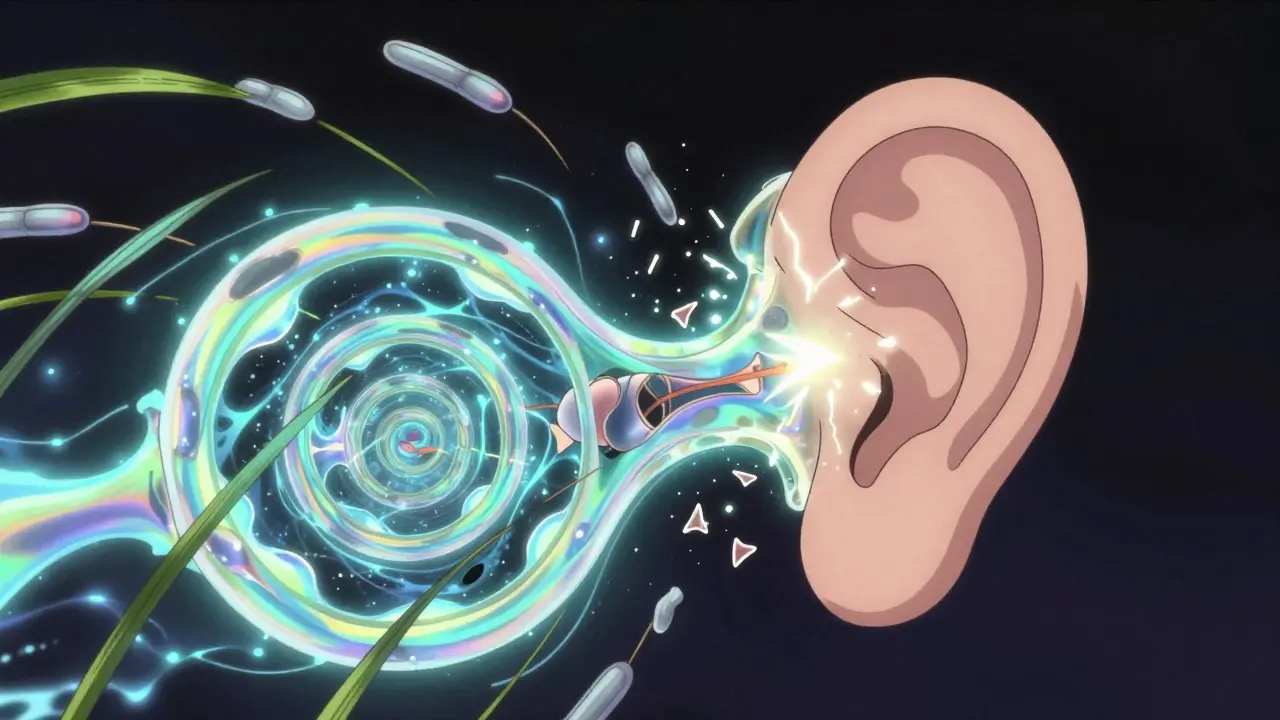
To understand why sensorineural hearing loss happens, we need to look inside the ear. Deep within your skull sits the cochlea, a spiral-shaped organ filled with fluid and lined with microscopic hair cells called stereocilia. When sound waves enter the ear, they travel through the middle ear and vibrate the fluid in the cochlea. These vibrations cause the hair cells to bend. Think of them like grass bending in the wind. When they bend, they send electrical signals through the auditory nerve to your brain, which interprets them as sound.
In sensorineural hearing loss, these hair cells get damaged or destroyed. They might die off due to aging, loud noise exposure, certain medications, or genetic factors. Without healthy hair cells, the signals never make it to the brain properly. You might still hear that a sound exists, but it sounds distorted, muffled, or incomplete. The outer hair cells usually take the hit first, especially in cases related to noise or age, leading to difficulty hearing high-pitched sounds before lower ones fade away.
Common Causes of Permanent Hearing Damage
There isn’t just one culprit behind this kind of hearing loss. Several factors contribute to the degradation of inner ear health over time.
- Aging (Presbycusis): This is the most common cause. As we get older, our bodies wear down, including our ears. About 25% of Americans aged 65-74 experience some form of age-related hearing loss, rising to 50% for those over 75.
- Noise Exposure: Loud noises don’t have to be sudden explosions. Continuous exposure to sounds above 85 decibels-like heavy traffic, lawnmowers, or headphones played too loudly-can permanently injure hair cells after just eight hours. Over years, this adds up.
- Genetics: Some people are born with weaker hair cells or nerves that deteriorate faster than average.
- Ototoxic Medications: Certain drugs, particularly some chemotherapy agents and strong antibiotics, can damage the inner ear as a side effect.
- Head Trauma: A severe blow to the head can disrupt the connection between the ear and the brain.
While you can’t change your genetics or stop time, you can control noise exposure and manage medication risks. Protecting your ears now pays off later.
Recognizing the Signs Early
Hearing loss rarely happens overnight (unless it’s sudden sensorineural hearing loss, which requires immediate medical attention). More often, it creeps in slowly. You might not even realize you’re losing your hearing until others point it out. Here are the telltale signs:
- Difficulty in noisy environments: You hear fine in quiet rooms but struggle when there’s background chatter or music.
- Misunderstanding speech: People seem to be mumbling, or you frequently ask them to repeat themselves.
- Tinnitus: A ringing, buzzing, or hissing sound in your ears when no external noise is present affects about 80% of people with sensorineural hearing loss.
- Volume cranking: You find yourself turning up the TV or radio louder than everyone else prefers.
- Recruitment: Soft sounds are hard to hear, but loud sounds become painfully intense very quickly.
If you notice any of these symptoms, don’t wait. Schedule an appointment with an audiologist. They will perform an audiogram-a test that measures how well you hear different frequencies. For sensorineural hearing loss, the test typically shows that bone conduction (sound vibrating directly into the skull) works better than air conduction (sound traveling through the ear canal), confirming the issue lies in the inner ear or nerve, not the eardrum.
Treatment Options: Managing What Can’t Be Cured
Since the damage to hair cells is permanent, there is currently no cure for chronic sensorineural hearing loss. However, that doesn’t mean you’re stuck living in silence. Modern technology offers powerful tools to compensate for the lost function.
Hearing Aids
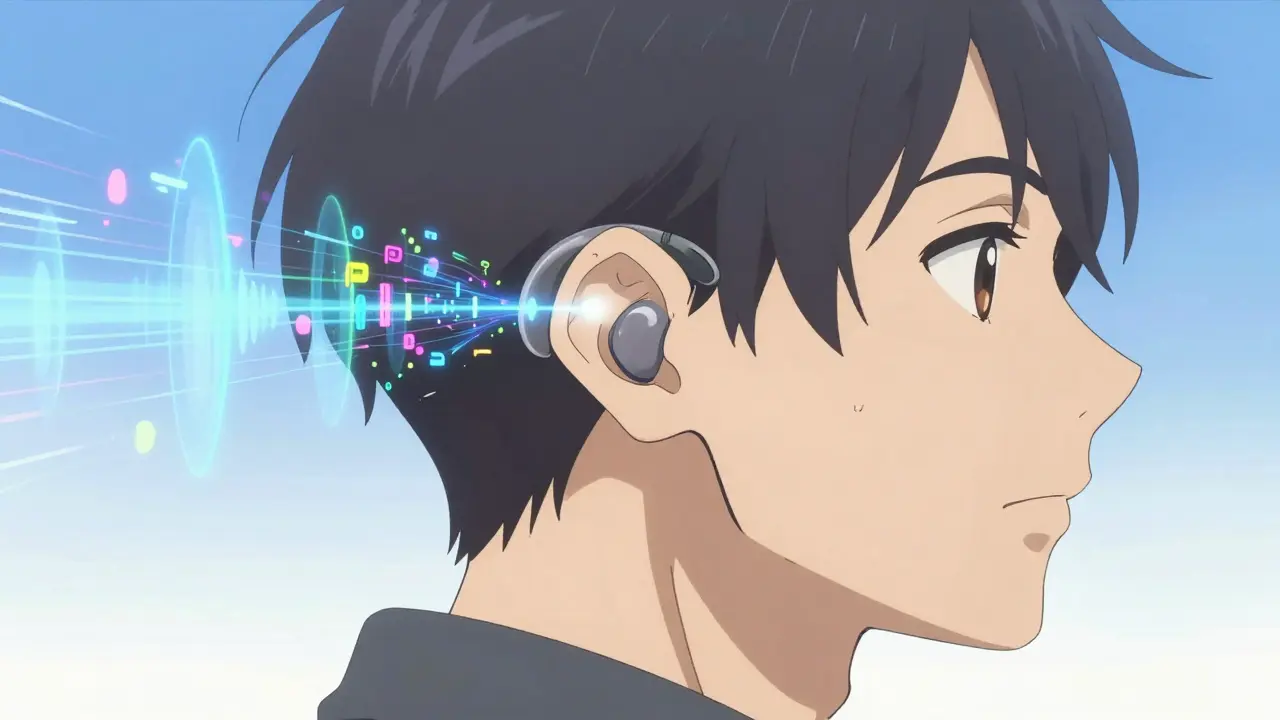
The most common solution is hearing aids, digital devices designed to amplify specific sound frequencies based on your unique hearing profile. Today’s models are sophisticated. They use microprocessors to analyze sound in real-time, boosting frequencies where you’ve lost sensitivity (often between 2000 and 8000 Hz for age-related loss) while compressing loud sounds so they don’t hurt. Brands like Widex and Phonak offer advanced features such as AI-powered noise reduction and tinnitus masking therapy. While they won’t restore perfect hearing, they significantly improve speech clarity and quality of life.
Cochlear Implants
For severe-to-profound hearing loss where hearing aids provide little benefit, Cochlear Implants are a surgically implanted device that bypasses damaged hair cells to directly stimulate the auditory nerve. Unlike hearing aids that amplify sound, cochlear implants convert sound into electrical signals and send them straight to the nerve. The process involves surgery, a waiting period for healing, and months of auditory rehabilitation to retrain your brain. Despite the effort, about 82% of recipients achieve good speech recognition, allowing them to engage in conversations without relying heavily on lip-reading.
Sudden Sensorineural Hearing Loss
There is one exception to the “permanent” rule. If you experience sudden hearing loss in one ear over a few days, see a doctor immediately. This condition, known as Sudden Sensorineural Hearing Loss (SSHL), occurs in about 5 to 20 people per 100,000 annually. If treated within 48 to 72 hours with corticosteroids, recovery rates jump to 32-65%. Delaying treatment beyond two weeks drastically reduces the chance of regaining hearing.
| Feature | Hearing Aids | Cochlear Implants |
|---|---|---|
| Best For | Mild to Severe Hearing Loss | Severe to Profound Hearing Loss |
| How It Works | Amplifies sound entering the ear | Bypasses ear; stimulates nerve directly |
| Invasiveness | Non-surgical | Surgical implantation required |
| Cost Range | $2,500 - $7,000 per pair | $30,000 - $50,000+ (including surgery) |
| Adaptation Time | 4-8 weeks | 6-12 months of therapy |
Living with Sensorineural Hearing Loss
Getting fitted for hearing aids or implants is just the beginning. Adapting to them takes patience. Most users report a learning curve of 4 to 8 weeks. Initially, everyday sounds might feel overwhelming or unnatural. You might experience the “occlusion effect,” where your own voice sounds boomy because the hearing aid blocks your ear canal. Feedback whistling is another common early issue, though modern devices minimize this.
Consistency is key. Wear your devices daily, even in quiet settings, to help your brain adjust. Maintenance matters too-clean them regularly, replace batteries (or charge them), and schedule check-ups every six months. Support groups, like those offered by the Hearing Loss Association of America, can also provide emotional support and practical tips from others who’ve walked the same path.
Looking ahead, research is promising. Scientists are exploring stem cell therapies to regenerate hair cells, though clinical applications are likely 5 to 10 years away. In the meantime, technology continues to improve, with AI making hearing aids smarter and more intuitive. By taking action now, you ensure you don’t miss out on the connections that matter most.
Is sensorineural hearing loss reversible?
In most cases, sensorineural hearing loss is permanent because the hair cells in the inner ear do not regenerate. However, sudden sensorineural hearing loss may be partially or fully reversed if treated with steroids within 48-72 hours of onset. Chronic cases require management through hearing aids or cochlear implants.
What is the difference between conductive and sensorineural hearing loss?
Conductive hearing loss involves problems in the outer or middle ear that block sound transmission, such as earwax buildup or infection, and is often treatable. Sensorineural hearing loss results from damage to the inner ear hair cells or auditory nerve, making it generally permanent and requiring amplification devices.
Can loud music cause permanent hearing damage?
Yes. Prolonged exposure to sounds above 85 decibels can permanently damage the hair cells in the cochlea. Listening to music at high volumes through headphones for extended periods is a significant risk factor for noise-induced sensorineural hearing loss.
How much do hearing aids cost?
The cost varies widely depending on the technology and brand. Basic models may start around $1,000 per ear, while premium digital hearing aids with advanced features can range from $2,500 to $7,000 per pair. Insurance coverage and financing options may help reduce out-of-pocket expenses.
When should I consider a cochlear implant instead of hearing aids?
Cochlear implants are recommended for individuals with severe-to-profound hearing loss who receive limited benefit from powerful hearing aids. An audiologist can determine eligibility through comprehensive testing, including pure-tone averages exceeding 90 dB HL.

8 Comments
My dad finally got his hearing aids last year and it was like watching him come back to life. He used to just sit in the corner of family dinners because he couldn't keep up with the conversation, but now he's asking questions and laughing again. It really changes everything.
The notion that we should simply accept biological decay as an inevitable fate is a sign of societal weakness. We spend billions on trivialities while ignoring the fundamental breakdown of human physiology. If one cannot hear, one cannot participate in the discourse of civilization. It is a tragedy of neglect rather than biology.
Wow, okay, let's not go full existential crisis here Derick :P While I agree it's tough, beating yourself up over genetics or aging isn't exactly productive. Most people just want to enjoy their coffee shop chats without needing a degree in audiology. Let's keep it real and supportive instead of doom-scrolling our way into despair. ☕️✨
Your reliance on emoticons to soften the harsh reality of decline is pathetic. The body fails. That is the truth. Pretending otherwise with 'supportive' platitudes does not change the fact that your sensory organs are deteriorating. Face the void, do not decorate it with sparkles.
ugh this post is so basic lol like yeah ur ears get worse but its not the end of the world!! i mean sure the hair cells die but u can just buy fancy gadgets right? 🙄 also why is everyone so serious about this?? its just hearing loss not the apocalypse 😤 #hearingaids #blessed
You are wasting bandwidth. Get a grip. If you can't hear, fix it or shut up. Simple.
I actually found the section on recruitment really eye-opening. I always thought turning up the volume was just me being stubborn, but realizing that soft sounds are hard to hear while loud ones hurt explains so much about my experience at concerts. It’s wild how our brains adapt to these distortions without us even noticing until someone points it out. I’m definitely going to share this with my mom who complains about the TV volume constantly. It might help her understand why she needs those specific frequency boosts mentioned in the article. The comparison table between hearing aids and implants was super clear too. I never realized the cost difference was that stark though. It makes me wonder if insurance covers more than they used to. Has anyone had luck with recent policy changes? I feel like knowing this could save some families a lot of stress during diagnosis.
Hey Sarah! Yeah, insurance coverage is a total nightmare depending on where you live. I helped my uncle navigate it and most plans only cover the diagnostic part, not the actual devices. But there are some nonprofit grants out there if you dig deep enough. The key is getting the audiogram done first so you have proof of medical necessity. Don't give up on the search!
Write a comment