Bupropion Safety & Interaction Checker
Step 1: Check Medication Interactions
Select any medications you are currently taking to see potential risks.
Safety Assessment
Select your medications and health factors on the left, then click "Check Safety Profile" to see personalized recommendations based on clinical guidelines.
Assessment Result
NeutralDetected Interactions
Based on your inputs, Bupropion may be unsafe for you. Please consult a healthcare provider immediately before starting this medication.
Recommendations
Disclaimer: This tool provides educational information based on general medical guidelines. It is not a substitute for professional medical advice. Always consult your doctor or pharmacist.
Quitting smoking is tough. Your brain has been wired to expect nicotine hits for years, and when you stop, the withdrawal symptoms can feel unbearable. That’s where Bupropion, marketed as Zyban, comes in. It’s not a nicotine patch or gum; it’s a pill that changes how your brain handles cravings without adding more nicotine to your system.
But here’s the catch: Bupropion doesn’t play nice with every other medication you might be taking. Because it affects dopamine and norepinephrine-key chemicals in your brain-it can clash with certain drugs, leading to serious side effects like seizures or high blood pressure. If you’re considering this route, you need to know exactly what interacts with it before you start.
How Bupropion Works to Stop Cravings
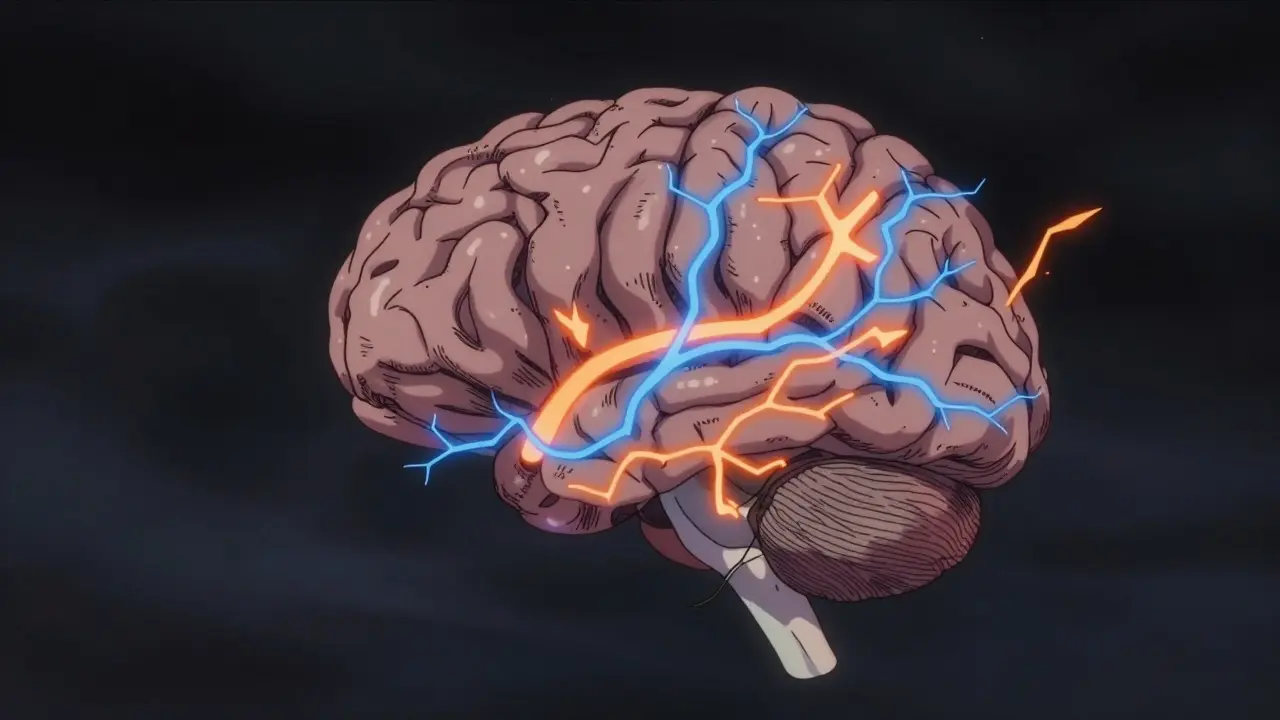
To understand the risks, you first need to understand the mechanism. Bupropion is a norepinephrine-dopamine reuptake inhibitor (NDRI). In plain English, it stops your brain from recycling these neurotransmitters too quickly, keeping them active longer in the synaptic gaps between neurons.
Nicotine floods your brain with dopamine, creating that brief feeling of pleasure or relief. When you quit, dopamine levels drop, causing irritability and intense cravings. Bupropion mimics some of nicotine’s effects on nicotinic acetylcholine receptors while also boosting baseline dopamine levels. According to the CDC, this dual action reduces nicotine cravings by about 40% compared to placebo.
Unlike Nicotine Replacement Therapy (NRT), which gives you small doses of nicotine to ease the transition, bupropion contains no nicotine at all. This makes it a preferred option for people who want to avoid nicotine entirely or have heart conditions that make nicotine risky.
Critical Drug Interactions You Must Know
This is the most important section for your safety. Bupropion is metabolized primarily by the liver enzyme CYP2B6. If you take other drugs that affect this enzyme or share similar pathways, the concentration of bupropion in your blood can spike dangerously high, increasing the risk of seizures.
| Drug Class / Name | Interaction Type | Risk Level | Action Required |
|---|---|---|---|
| MAOIs (e.g., Phenelzine, Tranylcypromine) | Hypertensive Crisis | Absolute Contraindication | Do not use. Wait 14 days after stopping MAOIs. |
| Varenicline (Chantix) | Increased Seizure Risk | High | FDA advises against concurrent use due to neuropsychiatric events. |
| Tuberculosis Drugs (Isoniazid, Rifampin) | Enzyme Inhibition/Induction | Moderate to High | Isoniazid increases bupropion levels; dose adjustment needed. |
| Antipsychotics (Haloperidol, Thioridazine) | Seizure Threshold Lowering | Moderate | Monitor closely; reduce antipsychotic dose if necessary. |
| Sedatives (Alprazolam, Diazepam) | Reduced Efficacy | Moderate | Bupropion may speed up metabolism of these drugs, reducing their effect. |
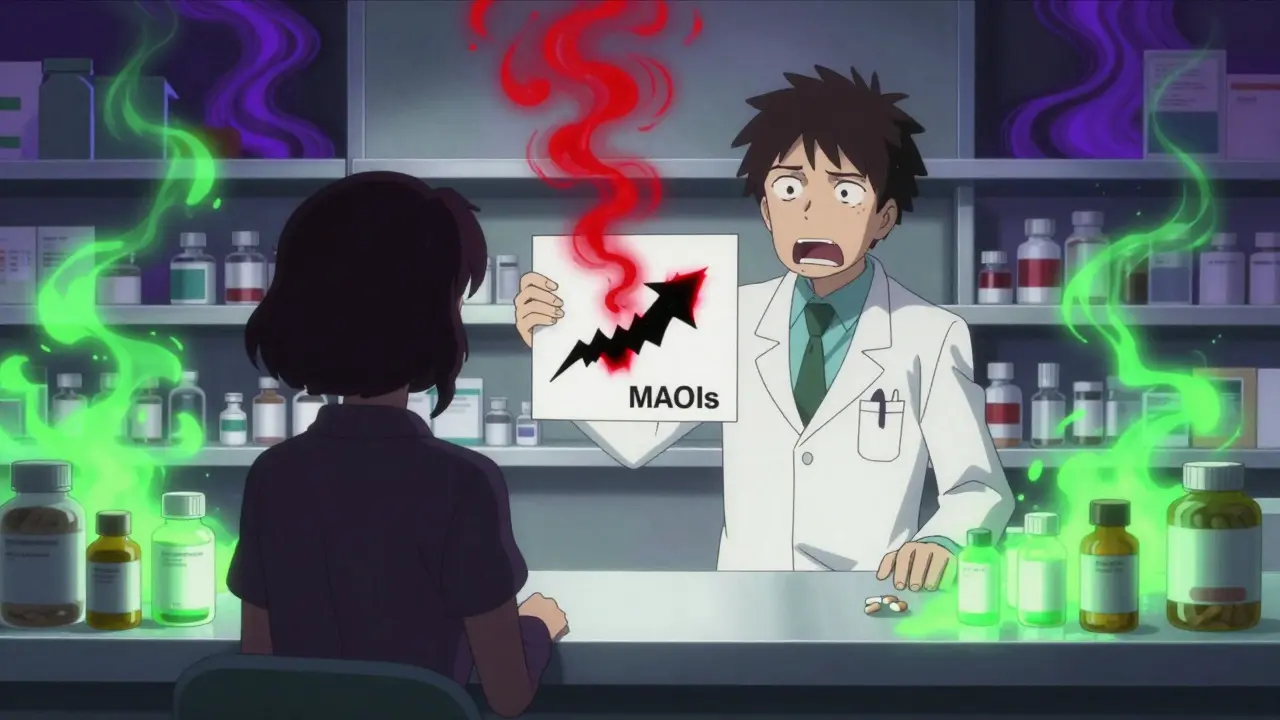
The interaction with Monoamine Oxidase Inhibitors (MAOIs) is life-threatening. Combining bupropion with MAOIs can cause a hypertensive crisis-a sudden, severe increase in blood pressure that can lead to stroke or heart attack. You must wait at least 14 days after stopping an MAOI before starting bupropion.
Another major red flag is combining bupropion with Varenicline (Chantix). While both are used to quit smoking, using them together significantly raises the risk of seizures and mood disturbances. The FDA explicitly warns against this combination unless under strict specialist supervision.
Who Should Avoid Bupropion? (Contraindications)
Even if you aren’t taking interacting medications, bupropion isn’t safe for everyone. The primary concern is seizure activity. Bupropion lowers the seizure threshold, meaning it takes less stimulation for a seizure to occur. At standard therapeutic doses, the risk is about 1 in 1,000 patients, but this risk skyrockets if you fall into specific categories.
- History of Seizures: If you have ever had a seizure disorder, such as epilepsy, bupropion is generally contraindicated.
- Eating Disorders: Patients with bulimia nervosa or anorexia nervosa are at higher risk for electrolyte imbalances, which combined with bupropion, drastically increase seizure risk.
- Recent Head Injury or Brain Tumor: Any condition affecting brain stability can interact poorly with NDRI mechanisms.
- Heavy Alcohol Use or Abrupt Withdrawal: Alcohol lowers the seizure threshold. Mixing heavy drinking with bupropion is dangerous. Similarly, suddenly stopping alcohol or benzodiazepines while on bupropion can trigger seizures.
If you have any of these conditions, talk to your doctor immediately. There are safer alternatives, such as nicotine patches or behavioral therapy.
Dosing Protocol: Timing Is Everything
Bupropion SR (sustained-release) works differently than instant-relief methods. It doesn’t kick in overnight. Clinical guidelines from the U.S. Department of Health and Human Services recommend starting treatment 1 to 2 weeks before your target quit date. This allows the drug to reach steady-state concentrations in your blood, ensuring maximum protection against cravings when you finally put down the last cigarette.
The standard dosing schedule is precise:
- Days 1-3: Take 150 mg once daily in the morning.
- Day 4 onwards: Increase to 150 mg twice daily. The second dose must be taken at least 8 hours after the first (e.g., 8 AM and 4 PM).
- Duration: Continue for 7 to 9 weeks total.
Never exceed 300 mg per day. Higher doses do not improve quit rates but do exponentially increase the risk of seizures. Also, never crush or chew sustained-release tablets, as this releases the entire dose at once, spiking blood levels dangerously.
Common Side Effects vs. Serious Risks
Most people tolerate bupropion well, but side effects are common enough that you should be prepared for them. According to FDA labeling and user data from Drugs.com, the most frequent complaints include:
- Insomnia: Affects about 24% of users. To mitigate this, take your second dose early in the afternoon (before 5 PM).
- Dry Mouth: Occurs in roughly 12% of patients. Sipping water throughout the day helps.
- Headache: Reported by 9% of users. Usually mild and temporary.
- Nausea: About 13% experience this. Taking bupropion with food can reduce stomach upset.
However, watch out for neuropsychiatric symptoms. Although rare, bupropion can cause agitation, anxiety, depression, or suicidal thoughts, especially in the first few weeks of treatment. If you notice sudden mood swings, aggression, or unusual behavior, seek medical help immediately. This is particularly relevant for younger adults or those with a history of mental health issues.

How Does It Compare to Other Options?
You might wonder why you’d choose bupropion over Chantix (Varenicline) or Nicotine Replacement Therapy (NRT). Each has distinct advantages depending on your health profile.
Varenicline is often cited as slightly more effective, with 6-month abstinence rates around 19.3% compared to bupropion’s 17.5%. However, varenicline causes more nausea (22.4% vs 11.2%) and has its own set of neuropsychiatric warnings. Bupropion shines for smokers who also suffer from depression, as it treats both conditions simultaneously. It also tends to help prevent the weight gain associated with quitting smoking, a major concern for many users.
NRTs provide immediate relief because they deliver nicotine directly. Bupropion takes days to work. If you struggle with impulse control during the first week of quitting, NRT might be a better bridge. But if you want a non-nicotine pharmacological approach, bupropion is the gold standard.
Practical Tips for Success
Medication alone rarely cures addiction. Studies show that combining bupropion with behavioral counseling doubles your chances of long-term success. Here’s how to maximize your odds:
- Set a Quit Date Early: Start the pill two weeks before you plan to stop smoking. Use this time to prepare your environment (remove ashtrays, clean clothes) and tell friends and family.
- Manage Sleep Hygiene: Since insomnia is a top side effect, establish a strict bedtime routine. Avoid caffeine after noon.
- Stay Hydrated: Dry mouth and headaches are easier to manage when you’re well-hydrated.
- Don’t Smoke “Just One”: Bupropion reduces cravings, but it doesn’t eliminate the chemical reward of smoking entirely. If you smoke while on the medication, you risk reinforcing the habit without getting full satisfaction, making relapse harder.
Can I drink alcohol while taking bupropion for smoking cessation?
You should limit alcohol consumption significantly. Alcohol lowers the seizure threshold, and bupropion also carries a seizure risk. Combining the two, especially if you binge drink or abruptly stop drinking, can trigger a seizure. Moderate intake might be tolerated by some, but it’s best to discuss your specific habits with your doctor.
Does bupropion cause weight gain when quitting smoking?
Actually, bupropion is known for helping prevent weight gain. Many people gain 10-20 pounds after quitting smoking due to increased appetite and slower metabolism. Bupropion suppresses appetite slightly and boosts energy levels, making it easier to maintain your weight during the cessation process.
How long does it take for bupropion to start working?
Bupropion is not immediate. It typically takes 7 to 10 days to reach therapeutic levels in your bloodstream. This is why doctors recommend starting the medication 1-2 weeks before your actual quit date. During the first few days, you may still feel strong cravings.
Is generic bupropion as effective as brand-name Zyban?
Yes, generic bupropion SR is chemically identical to Zyban and is equally effective. The main difference is cost. Generic versions are significantly cheaper, often costing around $35 for a 30-day supply compared to hundreds for brand-name alternatives, making it a cost-effective choice for long-term cessation plans.
What should I do if I miss a dose of bupropion?
If you miss a dose, take it as soon as you remember, unless it is close to the time for your next dose. Never double up on doses to make up for a missed one, as this increases the risk of seizures. Maintain the 8-hour gap between doses strictly.
