
Imagine reaching for a vial of heparin and grabbing saline instead. It happens more often than you'd think. In fact, roughly 18% of all reported medication errors in the U.S. stem from confusion over look-alike or sound-alike (LASA) drug names and packaging. That’s about 10,000 error reports every year, according to the Institute for Safe Medication Practices (ISMP). These aren't just administrative hiccups; they can lead to adverse drug events that claim around 7,000 lives annually. If you work in a pharmacy setting, whether hospital or retail, preventing this specific type of mix-up is not just a best practice-it's a critical patient safety imperative.
Why Look-Alike Packaging Causes So Many Errors
The human eye is surprisingly bad at distinguishing subtle visual differences under pressure. When two boxes are nearly identical in size, shape, and color, the brain fills in the gaps based on expectation rather than observation. This cognitive shortcut leads to what we call selection errors. The FDA estimates that poor labeling and confusing packaging contribute to an additional 20% of these issues beyond name confusion alone.
The problem isn't new. Documented cases date back to the 1970s with incidents involving drugs like hydralazine and hydroxyzine. However, it became a formal patient safety goal in 1999 when The Joint Commission added "medication mix-ups due to similar drug names or packaging" to its National Patient Safety Goals. Today, the challenge is amplified by drug shortages, which force pharmacies to use substitute products that may have different but similarly confusing packaging.
Core Prevention Strategies That Actually Work
You don't need a million-dollar budget to fix this, but you do need a layered approach. Relying on a single tactic leaves gaps. Here are the three most effective pillars:
- Physical Separation: Keeping look-alike products apart in storage reduces error rates by up to 62%. A study from the University of Arizona found that simply moving insulin products to different sections of automated dispensing cabinets eliminated wrong-insulin errors entirely over an 18-month period.
- Tall Man Lettering (TML): This involves capitalizing specific letters in drug names to highlight differences (e.g., DOPamine vs. DoBUTamine). ISMP data shows TML reduces selection errors by 47%. It works best when applied consistently across your electronic health record (EHR) system.
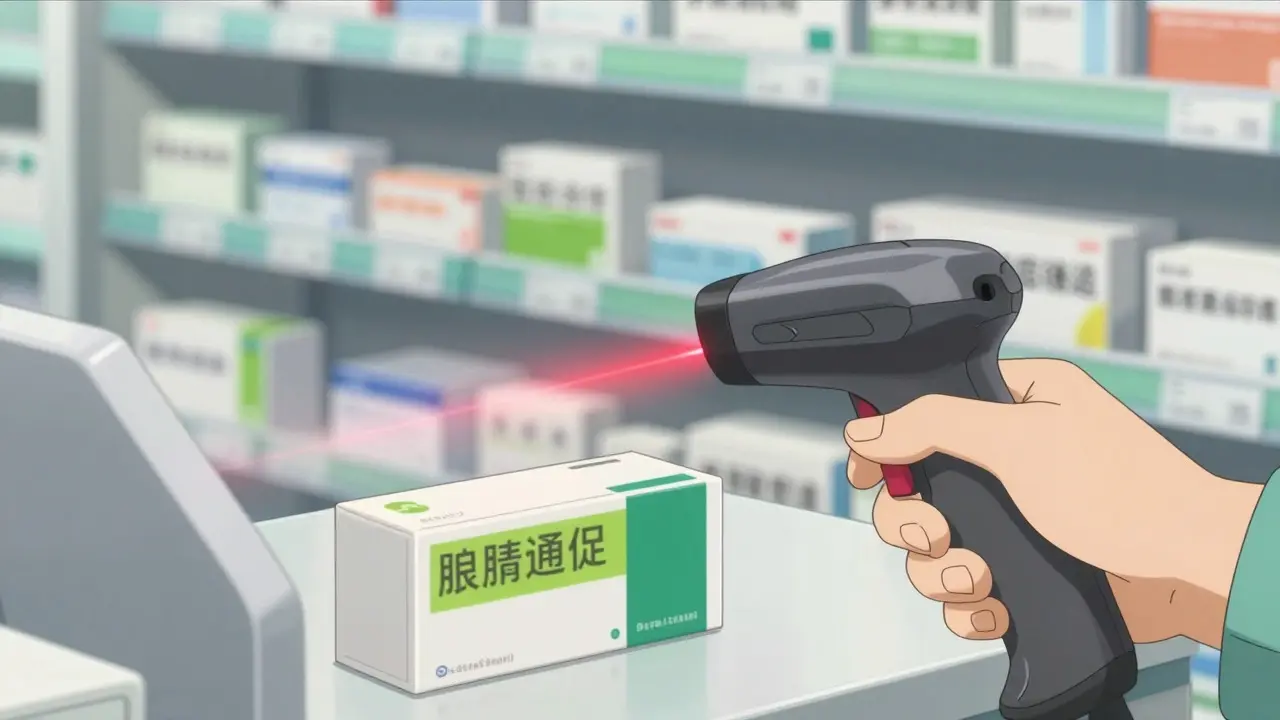
- Barcode Scanning: This is your ultimate safety net. When implemented correctly, barcode scanning reduces administration errors by 86%. It forces a digital match between the scanned item and the patient's order before the drug is given.
Comparing Effectiveness and Costs
Which strategy should you prioritize? It depends on your resources and current infrastructure. Below is a breakdown of the key metrics for each approach:
| Strategy | Error Reduction Rate | Estimated Implementation Cost | Key Challenge |
|---|---|---|---|
| Physical Separation | 30-62% | $200-$500 (shelf dividers) | Space constraints in small pharmacies |
| Tall Man Lettering | 47% | $2,500-$7,000 (system config) | Inconsistent formatting across different EHR vendors |
| Barcode Scanning | 86% | $15,000-$50,000 (hardware/software) | Staff bypassing scans during peak hours (5-12% failure rate) |
| Combined Approach | 94% | Varies by scale | Requires sustained staff training and culture change |
A 2023 study in the American Journal of Health-System Pharmacy confirmed that combining physical separation, TML, and barcode scanning achieves a 94% error reduction. That’s significantly higher than any single method. Mayo Clinic saw $287,000 in annual savings from prevented errors against a $42,000 implementation cost, proving the return on investment is substantial.
Implementing Changes Without Disrupting Workflow
Change is hard, especially in high-volume environments. Staff resistance is the number one barrier, with 78% of pharmacy directors reporting it as a major hurdle. To overcome this, start with a risk assessment. Use ISMP’s free tool for evaluating the risk of confusion between drug names. For a typical hospital pharmacy, this takes 8-12 hours. Identify your top 10 highest-risk pairs first.
Don't try to overhaul everything at once. Start with shelf dividers. They cost less than $500 per pharmacy and provide immediate physical separation. Then, work with your EHR vendor to enable Tall Man Lettering for those specific high-risk pairs. Finally, introduce barcode scanning for the most dangerous categories, such as anticoagulants or insulins.
Training is crucial. Explain *why* you're making changes. Show staff the data. If they understand that their quick scan saves a life, compliance improves. One retail manager noted that adding LASA checks to their quality assurance checklist helped maintain staff compliance during busy periods, reducing wrong-drug dispensing by 75%.

Common Pitfalls and How to Avoid Them
One big mistake is assuming Tall Man Lettering solves everything. Dr. David Bates noted that over-reliance on TML creates a false sense of security because it only addresses name confusion, not packaging similarities. Packaging issues account for 35% of LASA errors. So, if you only change the font on the screen but leave the boxes side-by-side, you’re still vulnerable.
Another pitfall is inconsistent standards. Only 68% of hospitals use standardized TML formats. If your prescribing system uses one format and your dispensing system uses another, you create new confusion during care transitions. Ensure your entire chain-from prescription to administration-uses the same naming convention.
Lastly, watch out for drug shortages. When a preferred product runs out, substitutes often arrive with unfamiliar packaging. Conduct a rapid review of any new incoming stock to identify potential look-alike risks before it hits the shelves.
Frequently Asked Questions
What is the most effective way to prevent look-alike packaging errors?
The most effective method is a layered approach combining physical separation of products, consistent use of Tall Man Lettering in digital systems, and mandatory barcode scanning. This combination has been shown to reduce errors by 94%.
How much does it cost to implement barcode scanning in a pharmacy?
Full implementation typically costs between $15,000 and $50,000 per department, depending on the size of the facility and existing infrastructure. This includes hardware scanners and software integration with your electronic health record.
Does Tall Man Lettering work for all medications?
No, it is most effective for high-risk look-alike/sound-alike pairs identified by ISMP. Applying it to every drug name can dilute its impact. Focus on the specific pairs where confusion has historically led to errors.
What should I do if space is limited for physical separation?
Use vertical shelf dividers or colored bins to create visual barriers within existing storage areas. You don't need separate rooms; distinct visual zones are enough to break the pattern-matching habit that leads to errors.
How often should we review our look-alike drug list?
Review the list quarterly or whenever a new drug is added to your formulary. ISMP updates its list of confused drug names regularly, so staying current ensures you are protecting against newly identified risks.
